
Celebrity
Vince Vieluf: Biography, Movies, TV Shows, Career, and Where He Is Today


If you were a fan of comedy films and television in the late 1990s and early 2000s, you’ve likely come across Vince Vieluf. Known for his energetic performances, natural comedic timing, and memorable supporting roles, Vieluf carved out a unique place in Hollywood. Although he never became a household name on the level of some leading actors, his performances in cult-favorite films and popular TV series earned him a loyal fan base.
Many viewers best remember Vince Vieluf for his role as Cody in Rat Race (2001), where his hilarious performance became one of the film’s standout moments. Over the years, he also appeared in several well-known television shows and movies, showcasing his versatility across comedy, drama, and action genres.
In this article, we’ll take an in-depth look at Vince Vieluf’s early life, acting career, notable movies and television appearances, personal life, and lasting legacy in the entertainment industry.
Quick Bio
| Category | Details |
|---|---|
| Full Name | Vincent Ernest Vieluf |
| Birthdate | November 10, 1970 |
| Birthplace | Joliet, Illinois, USA |
| Profession | Actor, Writer, Director |
| Height | 5 ft 11 in |
| Weight | 75–78 kg (estimated) |
| Famous For | Rat Race, Grind |
| Estimated Net Worth | $500K–$1M |
| Current Residence | Austin, Texas |
| Lifestyle | Grounded, private, creative |
Early Life and Background
Vince Vieluf was born on November 10, 1970, in Joliet, Illinois, USA. Growing up in the Midwest, he developed an interest in acting and entertainment at a young age. Like many aspiring performers, he dreamed of building a career in Hollywood and worked diligently to pursue opportunities in television and film.
Before gaining recognition as an actor, Vieluf spent years developing his skills through auditions and smaller acting roles. Breaking into Hollywood is rarely easy, and his early career required persistence, patience, and determination.
His approachable personality and ability to balance humor with believable performances quickly caught the attention of casting directors. These qualities eventually helped him secure roles that introduced him to larger audiences.
Vince Vieluf’s Acting Career
Vince Vieluf began appearing in television and film during the 1990s, steadily building experience through guest roles and supporting performances.
Rather than immediately landing major starring roles, he developed his reputation by consistently delivering memorable characters that added personality and humor to every project. Directors appreciated his comedic instincts and willingness to fully commit to unconventional roles.
Throughout his career, Vieluf worked across multiple genres, including:
- Comedy
- Action
- Drama
- Crime television
- Romantic comedy
His versatility allowed him to appear alongside respected actors while continuing to expand his résumé with diverse projects.
Unlike performers who become closely associated with one specific character, Vieluf demonstrated flexibility by portraying everything from quirky comedic personalities to more grounded supporting roles.
This adaptability helped him remain active throughout an era when television and film were rapidly evolving.
Vince Vieluf’s Most Popular Movies
Although Vince Vieluf appeared in numerous productions, several films remain especially memorable among fans.
Rat Race (2001)
Without question, Rat Race is Vince Vieluf’s best-known movie.
In this comedy directed by Jerry Zucker, Vieluf played Cody, one of several eccentric contestants participating in a cross-country race for a cash prize. His outrageous adventures and unforgettable scenes contributed significantly to the film’s humor.
Despite receiving mixed reviews upon release, Rat Race later became a cult comedy favorite thanks to its ensemble cast and fast-paced comedic style.
An American Werewolf in Paris (1997)
Vieluf also appeared in the horror-comedy An American Werewolf in Paris, the sequel to the classic An American Werewolf in London.
The film combined supernatural horror with comedy, allowing Vieluf to showcase his ability to balance humor with suspenseful storytelling.
Other Film Appearances
Over the years, Vince Vieluf appeared in several additional movies, demonstrating his willingness to take on diverse supporting roles that complemented larger ensemble casts.
Television Career and Memorable Roles
In addition to film, Vince Vieluf enjoyed a successful television career.
Throughout the late 1990s and early 2000s, he appeared in numerous popular television series, often as memorable guest characters.
His television credits include appearances in well-known productions spanning comedy, crime, and drama.
Many viewers discovered him through recurring television appearances before later recognizing him in feature films.
His work across both mediums highlights the versatility that defined much of his acting career.
Why Vince Vieluf Became a Fan Favorite
One reason Vince Vieluf continues attracting attention years after many of his most recognizable performances is his distinctive acting style.
Unlike performers who relied heavily on exaggerated comedy, Vieluf often grounded even the most unusual characters with genuine sincerity. This balance made his performances feel both funny and believable.
His expressive facial reactions, physical comedy, and energetic screen presence helped create memorable scenes that audiences still enjoy revisiting.
Fans also appreciated his willingness to embrace unconventional supporting roles rather than limiting himself to traditional leading-man characters.
Personal Life and Life Away from Hollywood
Compared with many actors, Vince Vieluf has maintained a relatively private personal life.
After stepping away from frequent acting work, he largely disappeared from Hollywood’s public spotlight. Unlike many celebrities who remain highly active on social media or regularly appear at entertainment events, Vieluf has chosen a quieter lifestyle.
As a result, relatively little publicly verified information exists regarding his current professional activities or personal pursuits.
Vince Vieluf’s Legacy in Film and Television
Although Vince Vieluf may not have achieved blockbuster superstar status, his contributions to comedy and television continue to be appreciated.
Supporting actors play an essential role in creating memorable entertainment, and Vieluf consistently demonstrated how talented character performers strengthen every production they join.
His work remains particularly popular among audiences revisiting early-2000s comedies, an era many fans remember fondly for its unique blend of physical humor, ensemble storytelling, and lighthearted adventure.
Where Is Vince Vieluf Today?
Because Vince Vieluf has largely stepped away from public life, there is limited confirmed information about his current activities.
Unlike many actors who continue promoting projects through interviews or social media, Vieluf has maintained a low public profile for several years.
While fans naturally remain interested in possible future acting projects, there have been no widely confirmed announcements regarding a full-time return to Hollywood.
Conclusion
Vince Vieluf built a memorable acting career through talent, versatility, and exceptional comedic timing. From his unforgettable performance in Rat Race to appearances in popular films and television series, he consistently demonstrated the importance of strong supporting actors in creating successful entertainment.
Although he eventually stepped away from the public spotlight, interest in his work remains strong among longtime fans and new audiences discovering his performances through streaming platforms. His ability to bring humor, energy, and authenticity to every role continues to distinguish him within Hollywood’s rich history of talented character actors.
Whether remembered for his hilarious movie moments, memorable television appearances, or distinctive screen presence, Vince Vieluf’s career serves as a reminder that lasting success is not measured solely by leading roles but by the ability to leave audiences smiling long after the credits roll.
Frequently Asked Questions (FAQs)
Who is Vince Vieluf?
Vince Vieluf is an American actor best known for his roles in comedy films and television series, particularly Rat Race (2001).
When was Vince Vieluf born?
He was born on November 10, 1970, in Joliet, Illinois, United States.
What is Vince Vieluf famous for?
He is best known for playing Cody in the comedy film Rat Race and for appearing in numerous television shows and movies during the late 1990s and early 2000s.
What are Vince Vieluf’s most popular movies?
Some of his best-known films include Rat Race and An American Werewolf in Paris.
Is Vince Vieluf still acting?
In recent years, Vince Vieluf has maintained a low public profile, and there have been no widely confirmed announcements of major new acting projects.
Why did Vince Vieluf leave Hollywood?
Vince Vieluf has not publicly explained his reduced acting activity, and there is no verified information indicating a specific reason for stepping away from the spotlight.
Where is Vince Vieluf today?
While he keeps his personal life private, Vince Vieluf is remembered by fans through his films and television appearances, which continue to be available on streaming services and home media.
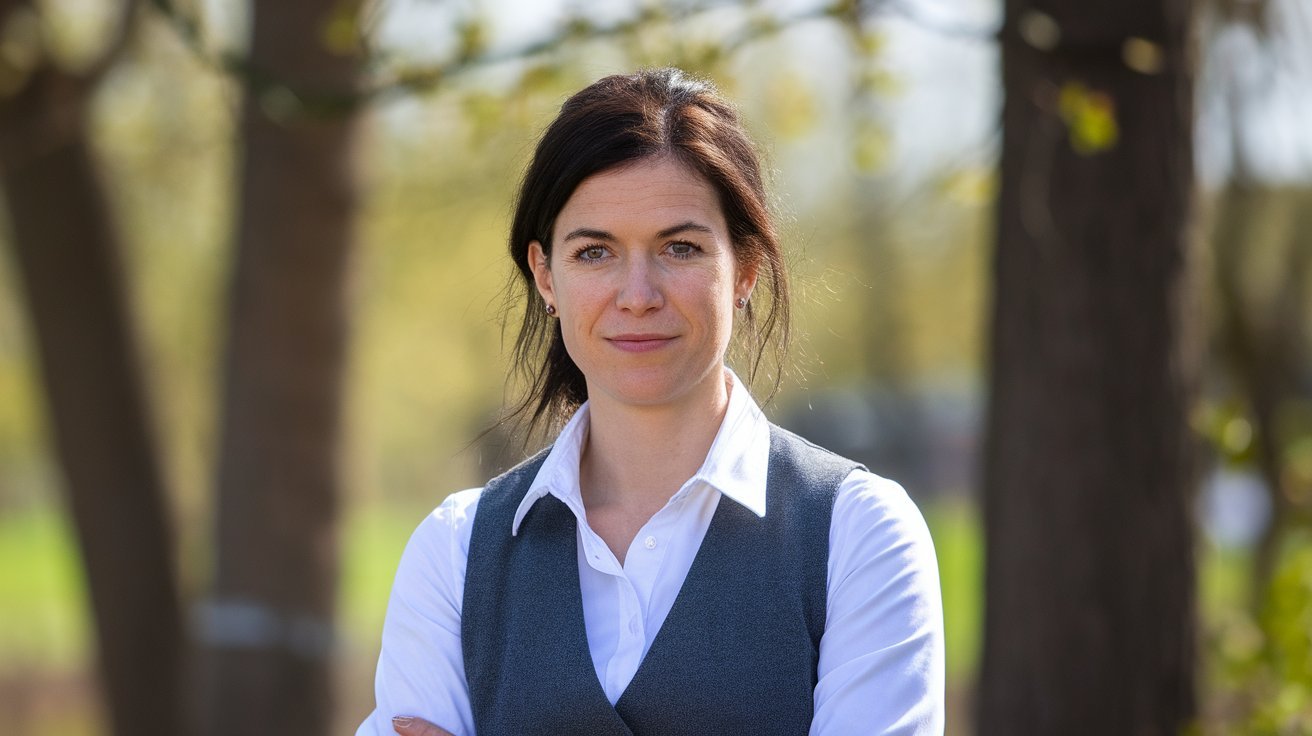
Anne Snyder is an American writer, editor, author, and cultural thinker whose career has brought together journalism, philanthropy, character formation, faith, community, and civic life. She is best known as the Editor-in-Chief of Comment magazine, a publication focused on public theology and the common good. She also hosts The Whole Person Revolution podcast and has written extensively about the institutions and relationships that influence human flourishing.
Rather than building her public reputation through celebrity or conventional political commentary, Snyder has developed a career around long-form writing, thoughtful editorial work, and questions about how people and communities can live well together. Her professional background includes work with The New York Times, World Affairs Journal, the Ethics and Public Policy Center, Laity Lodge, the H.E. Butt Foundation, and The Philanthropy Roundtable.
Who Is Anne Snyder?
Anne Snyder is a writer and editor whose work explores the relationship between personal character and the institutions that shape public life. She became especially recognized through her leadership at Comment, where she has served as editor-in-chief and helped develop a platform for discussions involving faith, culture, politics, community, and human flourishing.
She is also the author of The Fabric of Character: A Wise Giver’s Guide to Renewing our Social and Moral Landscape, published in 2019. The book examines how philanthropy and institutions can contribute to stronger communities by paying attention to character formation and the social environments in which people develop.
Snyder’s interests extend beyond writing. She has participated in fellowships and advisory work and has been associated with organizations including The Trinity Forum and the Urban Reform Institute. Her career demonstrates a sustained interest in the relationship between individual development, healthy institutions, and the common good.
Anne Snyder’s Early Life and Education
Snyder spent formative years of her childhood overseas, an experience that contributed to her exposure to different cultures and perspectives. Her later career has continued to emphasize the importance of listening to people and communities whose experiences may differ from those of mainstream institutions. Her own writing describes an interest in people on the margins and in the lessons that can emerge from communities that are often overlooked.
For higher education, Snyder attended Wheaton College in Illinois, where she earned a bachelor’s degree. She later earned a master’s degree from Georgetown University, with professional biographies identifying journalism among her graduate studies.
Her educational background helped establish a foundation for a career that would eventually cross several fields. Rather than remaining exclusively within journalism, Snyder moved between media, philanthropy, nonprofit organizations, cultural commentary, and institutional leadership.
Anne Snyder’s Journalism and Writing Career
Before becoming editor-in-chief of Comment, Snyder worked in several influential journalism and public-policy environments. Her earlier professional experience included the Ethics and Public Policy Center, World Affairs Journal, and The New York Times. She has subsequently published work in outlets including The Atlantic, The Washington Post, City Journal, and Bittersweet Monthly, among others.
Her writing tends to focus on subjects that require more than a quick news-cycle response. Character, community, democracy, institutional health, belonging, and moral formation appear repeatedly throughout her work.
This approach is also reflected in her personal writing platform, Of Souls & Silos, where she describes an interest in the tension between connection and isolation and in finding deeper forms of meaning amid cultural and ideological divisions.
Her career therefore represents a somewhat different model of journalism: one that places considerable emphasis on reflection, narrative, community experience, and moral questions rather than simply reacting to breaking events.
The Fabric of Character and Her Work on Moral Formation
One of Anne Snyder’s best-known contributions is her 2019 book, The Fabric of Character: A Wise Giver’s Guide to Renewing our Social and Moral Landscape.
The book grew out of her work with The Philanthropy Roundtable’s Character Initiative, which she directed from 2016 to 2019. The initiative sought to encourage foundations and business leaders to strengthen what Snyder describes as the “middle ring” of morally formative institutions.
The central idea is that character does not develop in isolation. Families, schools, neighborhoods, religious communities, workplaces, civic organizations, and other institutions can influence the habits and values that shape people’s lives.
This perspective has become an important part of Snyder’s public work. Rather than treating social problems solely as matters of policy, her writing often considers the relationships, institutions, practices, and cultural habits that exist underneath those problems.
Her book has also attracted attention in academic and leadership settings. Wake Forest’s Program for Leadership and Character, for example, highlights The Fabric of Character and identifies the university as an example discussed in relation to holistic education.
Anne Snyder and Comment Magazine
Snyder is perhaps most closely associated with Comment magazine, where she serves as editor-in-chief. Her leadership has helped make Comment a platform for extended conversations about public theology, culture, social renewal, community, and human flourishing.
Her editorial philosophy emphasizes bringing different perspectives into conversation rather than reducing complicated questions to simple ideological categories. That approach fits closely with themes visible throughout her career: pluralism, moral coherence, institutional health, and the demands of community.
Through Comment and related projects, Snyder has worked with writers, scholars, and practitioners examining questions that cross the boundaries of religion, politics, economics, education, and civic life.
She has also been involved with Breaking Ground, a collaborative web commons launched during the pandemic era. The project brought together thinkers and practitioners to consider how communities could respond to major social disruptions with creativity, wisdom, and courage. The resulting anthology, Breaking Ground: Charting Our Future in a Pandemic Year, was published in January 2022.
Anne Snyder’s Podcast, Fellowships, and Public Work
Snyder also hosts The Whole Person Revolution, a podcast exploring themes related to culture, character, and human flourishing. Her broader professional work has included fellowships and leadership roles beyond journalism.
She is a Senior Fellow of The Trinity Forum, and biographies have also identified her as a Fellow at the Urban Reform Institute, a Houston-based think tank interested in how cities can expand opportunity.
Her professional activities demonstrate how broadly she approaches public questions. Journalism provides one avenue for her work, but philanthropy, podcasting, organizational leadership, and public conversation are equally important parts of her career.
The common thread is her interest in how people and institutions can contribute to healthier communities.
Anne Snyder in 2026: Age, Personal Life, and Public Profile
Questions about Anne Snyder’s age frequently appear in online searches, but her exact birth date is not clearly established by the most authoritative biographies available. Some recent websites have published estimated ages or birth years, but those claims should be treated cautiously because they are not confirmed by Snyder’s official biographies or major institutional profiles.
Snyder is married to David Brooks, the American writer and New York Times columnist. Public biographical sources report that the couple married in 2017.
Snyder currently lives in Washington, D.C., according to her University of Chicago biography.
Her public identity remains primarily connected to her work as a writer, editor, author, and cultural thinker, rather than her personal life. Consequently, reliable information about her professional work is considerably stronger than the many speculative biographical details that can appear online.
Frequently Asked Questions About Anne Snyder
Who is Anne Snyder?
Anne Snyder is an American writer, editor, and author best known as the editor-in-chief of Comment magazine and the author of The Fabric of Character.
What is Anne Snyder known for?
She is known for writing and editorial work focused on character, community, faith, culture, institutional health, and human flourishing.
What book did Anne Snyder write?
Her major book is The Fabric of Character: A Wise Giver’s Guide to Renewing our Social and Moral Landscape, published in 2019.
Where did Anne Snyder study?
She earned a bachelor’s degree from Wheaton College and a master’s degree from Georgetown University.
Is Anne Snyder married to David Brooks?
Yes. Public sources identify David Brooks as her husband, with their marriage taking place in 2017.
What is Anne Snyder’s podcast?
She hosts The Whole Person Revolution, a podcast connected to her broader interests in culture, character, and human flourishing.
Final Thoughts on Anne Snyder
Anne Snyder career stands at the intersection of journalism, philanthropy, cultural commentary, and moral formation. From her early work in journalism and public policy to her leadership at Comment and her work on The Fabric of Character, she has consistently examined how people, relationships, and institutions shape the quality of public life.
Her work is particularly distinctive because it moves beyond short-term political arguments and considers the deeper structures that influence communities. Through books, essays, editorial projects, podcasts, and collaborative initiatives such as Breaking Ground, Snyder has developed a body of work centered on character, belonging, community, pluralism, and human flourishing.
For readers searching for Anne Snyder in 2026, her professional work remains the most useful lens through which to understand her public influence. She represents a style of cultural writing that places greater emphasis on thoughtful dialogue, institutional renewal, and the everyday relationships that hold communities together.

Celebrity
Robert Kelbie: Biography, Career, Leadership, Achievements, and Lasting Legacy (2026 Guide)

Robert Kelbie is widely recognized for his influential leadership, dedication to public service, and significant contributions to infrastructure management and public sector development. Throughout his career, he has earned respect for overseeing complex projects, improving organizational performance, and helping shape policies that impact communities and national infrastructure. As interest in his professional journey continues to grow in 2026, many readers seek accurate information about Robert Kelbie’s biography, career, achievements, leadership style, and legacy.
This comprehensive guide explores everything about Robert Kelbie, including his background, professional milestones, leadership philosophy, notable accomplishments, and the impact he continues to have within his field.
Who Is Robert Kelbie?
Robert Kelbie is a respected executive known for holding senior leadership positions within major infrastructure and public organizations. His career has been defined by strategic planning, operational excellence, governance improvements, and the successful management of complex public projects.
Over several decades, Kelbie established himself as a leader capable of managing organizations responsible for public safety, transportation, engineering, and infrastructure. His ability to balance long-term planning with practical execution has made him a recognized figure among professionals in government and infrastructure sectors.
His reputation stems from his commitment to accountability, innovation, and delivering measurable improvements while maintaining high professional standards.
Robert Kelbie’s Early Life and Educational Background
Although Robert Kelbie has maintained a relatively private personal life, his educational foundation and early professional experiences played an essential role in shaping his leadership abilities.
During his early career, he developed expertise in:
- Infrastructure management
- Engineering administration
- Strategic planning
- Operational leadership
- Risk management
- Public sector governance
- Project delivery
These skills enabled him to take on increasingly complex leadership responsibilities throughout his professional journey.
His combination of technical knowledge and executive management experience became one of the defining characteristics of his career.
Robert Kelbie’s Professional Career
One of the most discussed aspects of Robert Kelbie’s biography is his extensive executive career.
Throughout various leadership positions, he became responsible for managing organizations that required:
- Large-scale infrastructure planning
- Public accountability
- Financial oversight
- Safety management
- Organizational transformation
- Workforce leadership
- Long-term strategic development
His work frequently involved coordinating multiple stakeholders, government departments, engineering professionals, and operational teams.
Robert Kelbie became known for introducing structured decision-making processes while ensuring that projects remained focused on efficiency, sustainability, and public value.
His leadership style emphasized careful planning combined with practical implementation.
Major Leadership Achievements of Robert Kelbie
Robert Kelbie’s professional accomplishments span numerous areas of organizational leadership.
Some of his most significant achievements include:
Strategic Organizational Improvement
Kelbie consistently focused on improving organizational performance by introducing better governance practices, clearer accountability structures, and more effective management systems.
These improvements often resulted in stronger operational performance and enhanced public confidence.
Infrastructure Development
Infrastructure projects require extensive planning, financial discipline, and technical expertise.
Robert Kelbie contributed to managing and overseeing major infrastructure initiatives that supported long-term national development while ensuring safety and efficiency remained top priorities.
Public Sector Leadership
Leadership within the public sector presents unique challenges involving transparency, regulation, and public expectations.
Kelbie successfully balanced these responsibilities through collaborative leadership and evidence-based decision-making.
Operational Excellence
Another defining characteristic of Robert Kelbie’s career has been his emphasis on operational excellence.
He encouraged organizations to improve internal processes, reduce inefficiencies, strengthen risk management, and deliver better outcomes for stakeholders.
Robert Kelbie’s Leadership Style
Many professionals consider Robert Kelbie’s leadership approach one of the strongest aspects of his career.
His leadership philosophy generally reflects several key principles.
Strategic Vision
Rather than focusing solely on immediate challenges, Kelbie consistently emphasized long-term planning.
This approach helped organizations prepare for future demands while maintaining operational stability.
Evidence-Based Decision Making
Successful leadership depends on informed decisions.
Robert Kelbie became known for supporting decisions based on research, operational data, financial analysis, and measurable outcomes.
Collaboration
Large organizations require cooperation across multiple departments.
Kelbie encouraged teamwork, communication, and stakeholder engagement to achieve organizational objectives.
Accountability
Transparency and accountability remained central themes throughout his professional career.
Strong governance frameworks ensured organizations maintained public trust while meeting strategic goals.
Robert Kelbie’s Influence on Infrastructure and Public Administration
The influence of Robert Kelbie extends beyond individual organizations.
His work has contributed to broader improvements in:
- Infrastructure governance
- Public administration
- Risk management frameworks
- Project delivery systems
- Executive leadership standards
- Operational efficiency
- Strategic planning methodologies
His experience demonstrates how effective executive leadership can improve both organizational performance and public service delivery.
Many professionals studying infrastructure leadership reference similar management principles that emphasize long-term sustainability, stakeholder engagement, and continuous improvement.
Why Robert Kelbie Remains Relevant in 2026
Interest in Robert Kelbie continues because infrastructure leadership remains increasingly important.
Governments and organizations around the world face growing challenges involving:
- Aging infrastructure
- Population growth
- Climate resilience
- Transportation modernization
- Digital transformation
- Financial sustainability
- Public safety
The leadership principles demonstrated throughout Kelbie’s career continue to offer valuable insights for today’s executives managing complex public systems.
His focus on governance, accountability, operational excellence, and strategic thinking remains highly applicable in modern organizational environments.
Professionals working in engineering, transportation, infrastructure management, and government leadership often study similar executive approaches when developing future strategies.
Robert Kelbie’s Professional Legacy
Robert Kelbie’s legacy reflects decades of dedicated public service and executive leadership.
His career demonstrates how experienced leadership can strengthen institutions through careful planning, disciplined management, and continuous organizational improvement.
Several elements define his long-term legacy:
- Commitment to public service
- Strong executive leadership
- Infrastructure modernization
- Operational excellence
- Improved governance
- Strategic organizational planning
- Risk-aware decision making
- Sustainable long-term management
Future leaders continue to benefit from management principles that emphasize accountability, collaboration, innovation, and responsible decision-making.
His professional contributions illustrate the importance of balancing technical expertise with effective executive leadership.
Frequently Asked Questions About Robert Kelbie
Who is Robert Kelbie?
Robert Kelbie is an experienced executive and public sector leader recognized for his work in infrastructure management, organizational leadership, governance, and strategic planning.
What is Robert Kelbie known for?
He is known for leading major organizations, improving operational performance, overseeing infrastructure initiatives, strengthening governance, and promoting accountability in public administration.
What industries has Robert Kelbie worked in?
His professional experience primarily involves infrastructure management, engineering administration, public sector leadership, transportation-related organizations, and strategic organizational management.
Why is Robert Kelbie important in 2026?
His leadership principles continue to remain relevant as governments and infrastructure organizations address modernization, sustainability, digital transformation, operational efficiency, and public accountability.
What leadership qualities define Robert Kelbie?
Robert Kelbie is recognized for strategic thinking, collaborative leadership, risk management, organizational improvement, evidence-based decision-making, strong governance, and commitment to public service.
Conclusion
Robert Kelbie has built a distinguished reputation through decades of executive leadership, infrastructure expertise, and public sector service. His career demonstrates how effective governance, strategic planning, operational excellence, and responsible leadership can strengthen organizations while delivering lasting value to society.
As infrastructure challenges continue to evolve in 2026, the professional principles associated with Robert Kelbie remain highly relevant. His emphasis on accountability, innovation, collaboration, and sustainable decision-making provides an enduring example for executives, policymakers, engineers, and organizational leaders seeking to create resilient institutions capable of meeting future demands.

Stay Together for the Kids: What Parents Should Consider in 2026

Anne Snyder: Biography, Career, Books, and Work in 2026

Family in ASL: A Complete Guide to American Sign Language Signs for Family

Mary Jo Campbell: The Life, Family, and Lasting Influence of the Kardashian-Jenner Matriarch

AI Design and Pictures of Editor Made Simple for Stunning Creations

Destiny Pérez: Biography, Career, Public Recognition, and Growing Influence
 Celebrity2 months ago
Mary Jo Campbell: The Life, Family, and Lasting Influence of the Kardashian-Jenner Matriarch
- Technology2 months ago
AI Design and Pictures of Editor Made Simple for Stunning Creations
- Celebrity2 months ago
Destiny Pérez: Biography, Career, Public Recognition, and Growing Influence
- Celebrity2 months ago
Seryl Kushner: The Private Life and Lasting Influence of a Prominent Family Figure
- Technology2 months ago
AlphaInnovate.com Review: Features, Pros, Cons, and What You Should Know Before Using the Platform
- Technology2 months ago
5 Simple Tricks to Prevent Wear on Your Vehicle
- Blog2 months ago
Spell Tieing or Tying: Which Is Correct? Complete Grammar and Spelling Guide (2026)
- Blog2 months ago
Friday in Spanish: Meaning, Pronunciation, Usage, and Cultural Importance