Blog
Toyota Venza 2015: Complete Guide to Specs, Features, Performance, and Reliability in 2026

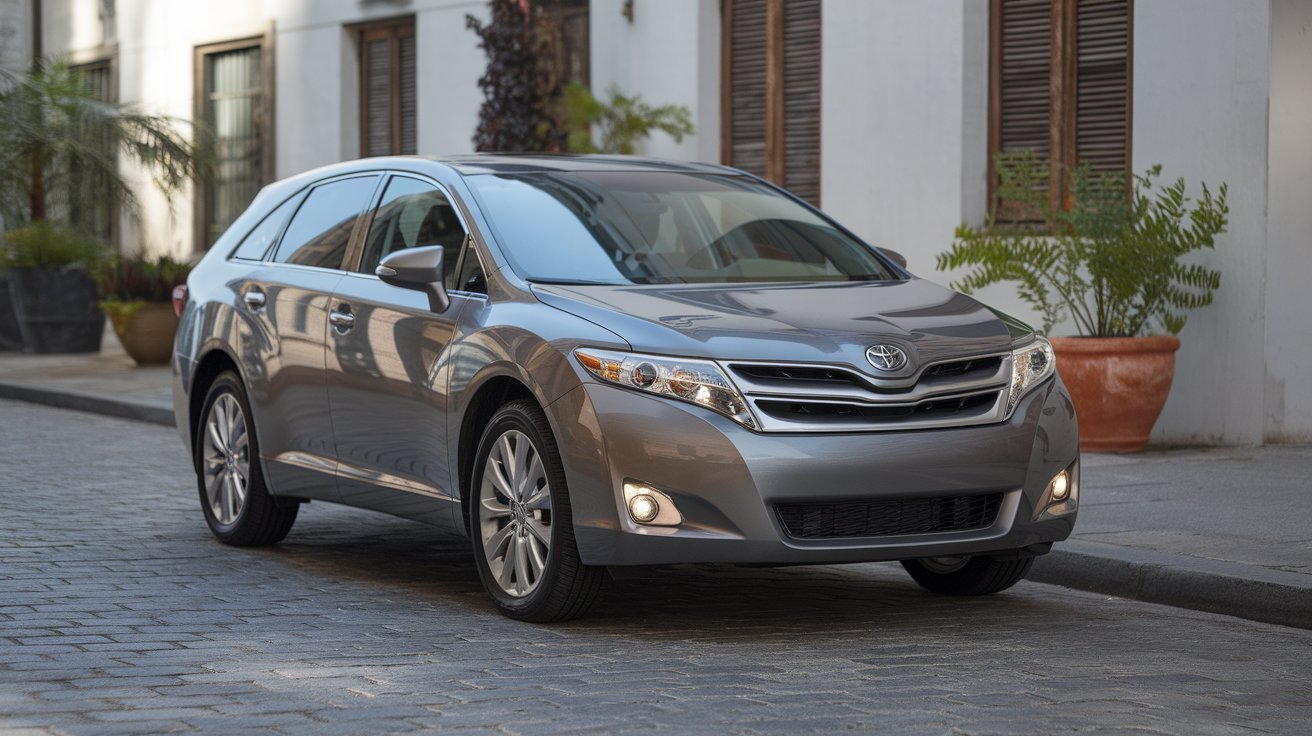
The Toyota Venza 2015 remains an interesting choice for drivers looking for a used midsize crossover that combines the comfort of a car with the practicality of an SUV. Although Toyota discontinued the Venza after the 2015 model year, this final-generation model continues to attract buyers because of its spacious cabin, available all-wheel drive, strong V6 engine, comfortable ride, and useful cargo capacity.
For 2026 used-car shoppers, the 2015 Venza is particularly interesting because it occupies a different position from many newer compact SUVs. It has a distinctive wagon-like design, seating for five, and two gasoline engines. Toyota offered the Venza with a 2.7-liter four-cylinder or a more powerful 3.5-liter V6, paired with a six-speed automatic transmission.
What Is the Toyota Venza 2015?
The Toyota Venza 2015 is a five-passenger crossover designed to provide SUV practicality without the boxy appearance of a traditional SUV. Toyota itself described the vehicle as combining sport-sedan and SUV characteristics, giving it a distinctive position in the company’s lineup.
For 2015, Toyota streamlined the Venza range while making several equipment improvements. Entune multimedia systems were upgraded, and a backup camera became standard across the lineup. The LE trim was offered exclusively with the four-cylinder engine, while higher trims could be equipped with the V6. Buyers could also choose front-wheel drive or all-wheel drive, depending on configuration.
That combination makes the 2015 Venza different from many similarly aged crossovers. It is not particularly rugged, but it offers a comfortable driving position, generous interior space, and useful everyday versatility.
Toyota Venza 2015 Engine and Performance
The 2015 Venza was available with two gasoline engines. The standard engine was a 2.7-liter four-cylinder, producing approximately 182 horsepower and 182 lb-ft of torque in Toyota’s Canadian specifications. The available 3.5-liter V6 produced 268 horsepower and 246 lb-ft of torque. Both engines were paired with a six-speed automatic transmission.
The V6 is the standout choice for drivers who prioritize acceleration, towing, or effortless highway performance. Edmunds reported that a V6 front-wheel-drive Venza could reach 60 mph in about 7.1 seconds, while the V6 AWD version required approximately 6.9 seconds in its testing.
The V6 also gives the Venza a significant advantage for towing. Depending on configuration, Toyota rated the V6 Venza for up to 3,500 pounds of towing capacity, while four-cylinder versions were rated at 1,000 pounds.
For everyday commuting, the four-cylinder is adequate, particularly for buyers who value fuel economy. However, anyone carrying heavy loads, traveling frequently on highways, or wanting stronger acceleration will likely prefer the V6.
Fuel Economy, AWD, and Driving Characteristics
Fuel economy varies according to the engine and drivetrain. Toyota’s 2015 specifications list the four-cylinder at approximately 20 mpg city and 26 mpg highway, while V6 versions were rated around 19/26 mpg for FWD and 18/25 mpg for AWD under the applicable EPA estimates.
The available all-wheel-drive system adds traction for drivers who regularly encounter rain, snow, gravel roads, or other low-traction conditions. Toyota used an Active Torque Control AWD system in applicable configurations.
The Venza is primarily designed for comfortable road driving, rather than serious off-road use. Its independent suspension and relatively low crossover stance make it better suited to highways, city streets, and family travel than demanding trails.
One characteristic worth remembering when test-driving a used example is its relatively large turning circle. The Venza’s turning circle is around 40.7 feet, which can make tight parking lots and narrow urban spaces less convenient than some smaller crossovers.
Interior, Cargo Space, and Features
One of the biggest strengths of the Toyota Venza 2015 is its practical interior. The vehicle seats five people and provides approximately 36.2 cubic feet of cargo space behind the rear seats. Folding the rear seats expands maximum cargo capacity to approximately 70.2 cubic feet.
The Venza measures approximately 189 inches long, 75 inches wide, and 63.4 inches high, with a 109.3-inch wheelbase. Its 8.1 inches of ground clearance provide a useful balance between passenger-car driving characteristics and crossover practicality.
Depending on trim and options, buyers could find features such as leather seating, power-adjustable seats, panoramic glass roof availability, upgraded audio equipment, navigation, and other convenience technologies. Toyota also upgraded the Entune multimedia systems for 2015.
In 2026, however, shoppers should remember that the infotainment technology is now considerably older than what is available in a new vehicle. A well-maintained Venza can still be comfortable, but buyers who prioritize the latest smartphone integration and driver-assistance technology may find newer crossovers more appealing.
Safety and Reliability of the 2015 Venza
Safety remains an important reason to consider the 2015 Venza as a used vehicle. The NHTSA gave the Venza an overall five-star crash rating, with five-star ratings in several side-impact categories and a four-star overall frontal rating and rollover rating.
The IIHS rated the Venza Good in its moderate-overlap front crash test, side-impact evaluation, roof-strength test, and rear crash/head-restraint evaluation. The Venza was not evaluated in the IIHS small-overlap front tests listed for this model year.
It is important not to confuse these ratings with a 2015 IIHS Top Safety Pick award. Toyota’s 2015 Top Safety Pick models included vehicles such as the Camry, RAV4, Highlander, Avalon, and Sienna, but the Venza was not listed among the award winners.
For reliability, condition is now more important than the original factory reputation because every 2015 Venza is approximately a decade old. Prospective buyers should inspect the engine, transmission, AWD system, suspension, brakes, electrical equipment, air conditioning, tires, and bodywork. A complete maintenance history is especially valuable.
Is the Toyota Venza 2015 Still Worth Buying in 2026?
The answer depends heavily on price, mileage, condition, and configuration. The Venza can make sense for buyers who want an affordable used crossover with more character and interior flexibility than many compact SUVs.
The V6 AWD model is especially attractive for people who want strong performance and up to 3,500 pounds of towing capacity. On the other hand, the four-cylinder FWD version may appeal to buyers who want lower fuel consumption and a simpler configuration.
Its biggest advantages in 2026 are space, comfort, V6 performance, available AWD, and practical cargo capacity. Its disadvantages include aging infotainment technology, relatively modest fuel economy compared with modern hybrids, and the possibility of expensive repairs simply because of its age.
When shopping for one, don’t focus only on the odometer. A well-maintained Venza with higher mileage can be a better purchase than a neglected low-mileage example.
Frequently Asked Questions About the Toyota Venza 2015
Is the Toyota Venza 2015 a good used car?
Yes, the 2015 Venza can be a good used crossover when it has been properly maintained. Its spacious interior, comfortable ride, available AWD, and powerful V6 make it particularly useful for families and highway driving.
How many people can the 2015 Venza seat?
The Toyota Venza 2015 has seating for five passengers.
How much can a Toyota Venza 2015 tow?
A properly equipped V6 Venza can tow up to 3,500 pounds, while four-cylinder configurations have a lower 1,000-pound rating. Always verify the exact vehicle’s configuration before towing.
Does the 2015 Venza have AWD?
Yes. All-wheel drive was available on the 2015 Venza, alongside front-wheel-drive configurations.
How much cargo space does it have?
The Venza provides approximately 36.2 cubic feet behind the rear seats and up to 70.2 cubic feet with the rear seats folded.
Conclusion
The Toyota Venza 2015 remains an appealing used crossover in 2026 for buyers who value space, comfort, reliability potential, available AWD, and strong V6 performance. It may not have the modern technology, hybrid efficiency, or advanced driver-assistance systems of today’s newest SUVs, but its practical design gives it lasting appeal.
For the best overall performance, the 3.5-liter V6 with AWD is arguably the most desirable configuration, especially for drivers who need stronger acceleration or towing capability. For economical everyday use, the 2.7-liter four-cylinder can be a sensible alternative.
Ultimately, the best 2015 Venza is not necessarily the cheapest one. Look for a vehicle with complete maintenance records, a clean inspection, healthy drivetrain components, good tires, and a well-preserved interior. With the right example, the final model year of the Venza can still provide a comfortable and practical ownership experience in 2026.
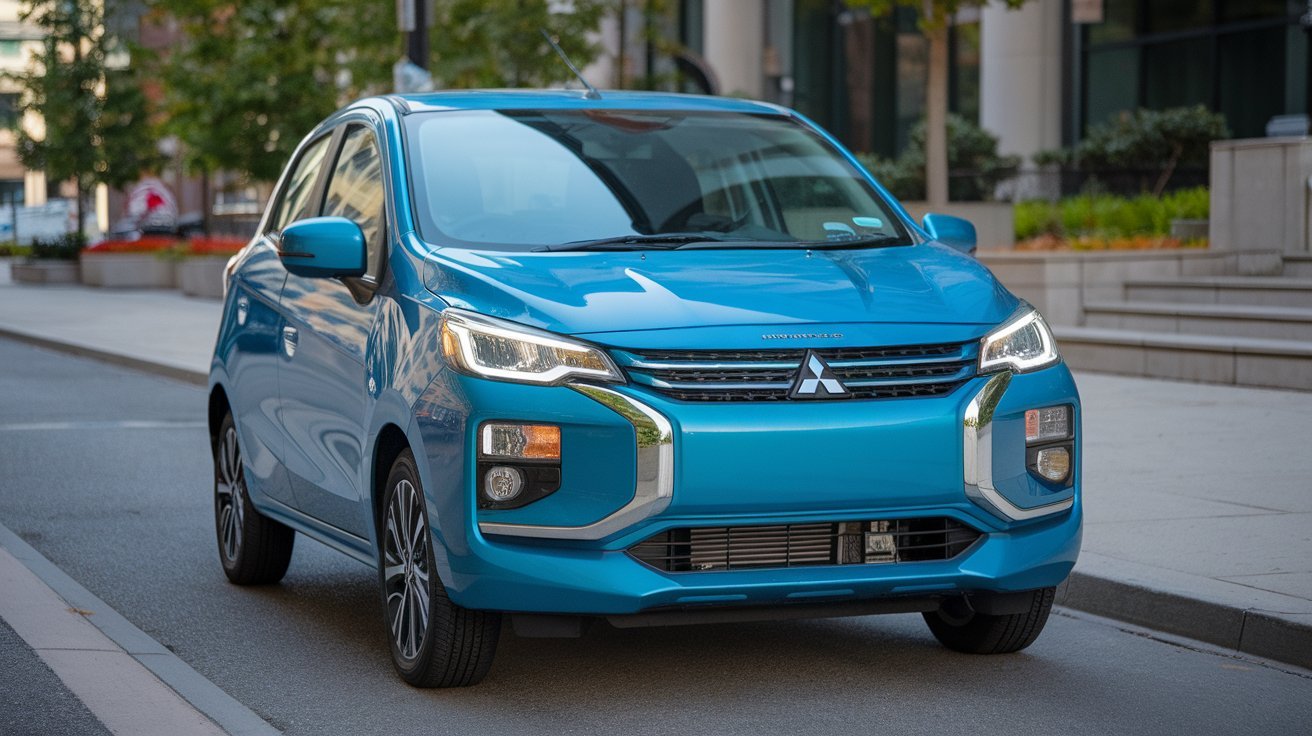
The 2024 Mitsubishi Mirage is a small hatchback built around a simple idea: provide affordable transportation with strong fuel economy, practical cargo space, useful standard technology, and an unusually long warranty. As one of the final subcompact hatchbacks available in the U.S., the 2024 Mirage occupies a distinctive place in the market.
For shoppers researching the Mitsubishi Mirage 2024 today, there is also an important piece of history to understand. Mitsubishi discontinued the Mirage line in the United States after the 2024 model year, with production ending and remaining dealer inventory expected to continue into 2025. That makes the 2024 model especially relevant to people looking for a compact used car with low running costs.
What Is the 2024 Mitsubishi Mirage?
The 2024 Mitsubishi Mirage is a five-passenger front-wheel-drive hatchback powered by a compact 1.2-liter three-cylinder gasoline engine. Its design prioritizes fuel efficiency, affordability, maneuverability, and practicality rather than high performance.
The Mirage measures approximately 151.4 inches long, 65.6 inches wide, and 59.4 inches high, with a 96.5-inch wheelbase. Its small dimensions make it particularly convenient for urban driving, parking, and navigating crowded streets.
Mitsubishi offered the 2024 Mirage in several trim configurations, including ES, LE, BE, and SE, depending on market and equipment configuration. The official 2024 brochure lists the 1.2-liter MIVEC three-cylinder engine, CVT transmission, 9.2-gallon fuel tank, and 39 mpg combined fuel-economy rating for the Mirage hatchback.
2024 Mitsubishi Mirage Engine and Performance
Under the hood, the 2024 Mitsubishi Mirage uses a 1.2-liter MIVEC DOHC three-cylinder engine producing 78 horsepower and 74 lb-ft of torque. Front-wheel drive is standard, while a continuously variable transmission, or CVT, is the primary automatic transmission configuration.
The engine’s modest output reflects the Mirage’s purpose. It is designed primarily for economical transportation rather than acceleration or sporty handling. Independent testing has estimated approximately 10.6 to 10.9 seconds from zero to 60 mph, illustrating that the Mirage is much more focused on efficiency than speed.
For everyday city driving, the compact dimensions and relatively light curb weight can make the Mirage easy to maneuver. However, drivers should understand that the limited horsepower can become more noticeable during highway merging, passing, steep hills, or when carrying several passengers.
The CVT helps keep the small engine operating within its useful range, but it can also produce higher engine revs during hard acceleration. Consequently, the Mirage is best understood as a practical commuter rather than a performance-oriented hatchback.
2024 Mitsubishi Mirage MPG and Fuel Economy
One of the strongest reasons people consider the 2024 Mitsubishi Mirage is fuel economy. The EPA estimates the CVT-equipped Mirage at approximately 36 mpg city and 43 mpg highway, with a 39 mpg combined rating.
Mitsubishi’s official 2024 brochure likewise lists 39 combined MPG for the Mirage.
The car has a 9.2-gallon fuel tank, which is relatively small but appropriate for its compact size and efficient engine.
Fuel economy can vary depending on traffic, weather, tire condition, driving style, passenger load, and road conditions. Still, the Mirage’s ability to reach fuel-economy figures in the 40-mpg range on highway driving makes it attractive to drivers who prioritize reducing gasoline consumption.
Interior, Cargo Space and Technology
Inside, the Mirage provides seating for five people, although its compact dimensions mean rear-seat space is more limited than in larger vehicles. The front seats provide more usable room, while the rear bench is better suited to shorter trips or smaller passengers.
One of the hatchback’s practical advantages is its cargo flexibility. The 2024 Mirage provides approximately 17.1 cubic feet of cargo space with the rear seats up, expanding to about 47.0 cubic feet when the rear seatbacks are folded.
Technology is another area where the Mirage provides useful equipment despite its budget positioning. A 7-inch touchscreen infotainment system supports Apple CarPlay and Android Auto, while Bluetooth connectivity is also available.
Depending on trim, buyers could also find features such as automatic climate control, cruise control, upgraded lighting, and additional convenience equipment. For 2024, the mid-level LE gained features including a driver-seat-mounted center armrest, rain-sensing windshield wipers, and automatic headlights.
Safety Features and Driver Assistance
The 2024 Mitsubishi Mirage includes several useful safety technologies. Automated emergency braking with pedestrian detection is available as a standard feature across the Mirage range, helping provide additional protection when the system detects an impending collision.
Higher trims add equipment such as lane-departure warning and automatic high-beam headlights.
The Mirage’s safety package should nevertheless be viewed in the context of its age and segment. It does not provide the extensive collection of advanced driver-assistance systems found in many newer vehicles.
When evaluating a used 2024 Mirage, we should also check its individual vehicle history, maintenance records, tires, brakes, recalls, and accident history rather than relying only on model-level specifications.
Warranty, Maintenance and 2024 Pricing
Warranty coverage is one of the notable strengths of the 2024 Mitsubishi Mirage. Mitsubishi provided a 10-year/100,000-mile limited powertrain warranty, along with a 5-year/60,000-mile new-vehicle limited warranty and 5-year/unlimited-mile roadside assistance. The 2024 program also included 2 years or 30,000 miles of limited scheduled maintenance, according to Mitsubishi’s official brochure.
For original owners, Mitsubishi’s powertrain coverage was particularly significant. Buyers of used vehicles should verify exactly how much warranty coverage remains because certain portions of the warranty can have different transfer rules. Mitsubishi’s current information notes that subsequent owners receive the remaining balance of the applicable 5-year/60,000-mile new-vehicle limited warranty rather than the original-owner powertrain coverage terms.
The 2024 Mirage originally started around $18,015 for the ES according to Car and Driver’s specifications data, although actual transaction prices varied by trim, destination charges, dealer pricing, incentives, and options.
Is the 2024 Mitsubishi Mirage Still Worth Considering in 2026?
The 2024 Mitsubishi Mirage deserves consideration primarily for buyers who value low fuel consumption, compact dimensions, simple transportation, practical hatchback cargo space, and strong original warranty coverage.
However, there is an important distinction between buying one when it was new and buying one in 2026. Mitsubishi has discontinued the Mirage in the U.S., so today’s shoppers will generally be looking at used vehicles or remaining inventory rather than a current-production model. Mitsubishi confirmed that the Mirage would not return for the 2025 model year.
For a used-car buyer, the most important factors are the vehicle’s condition, mileage, service history, accident history, remaining warranty coverage, and purchase price. A well-maintained example can offer inexpensive transportation, while its modest engine output and basic cabin should be understood before purchase.
Frequently Asked Questions About the Mitsubishi Mirage 2024
How much horsepower does the 2024 Mitsubishi Mirage have?
The 2024 Mirage’s 1.2-liter three-cylinder engine produces 78 horsepower and 74 lb-ft of torque.
How many miles per gallon does a 2024 Mitsubishi Mirage get?
The CVT-equipped Mirage is rated at approximately 36 mpg city, 43 mpg highway, and 39 mpg combined by the EPA.
How much cargo space does the 2024 Mirage have?
The hatchback provides approximately 17.1 cubic feet behind the rear seats and up to 47.0 cubic feet with the rear seats folded.
Is the 2024 Mitsubishi Mirage discontinued?
Yes. Mitsubishi discontinued the Mirage in the U.S. after the 2024 model year, and there was no 2025 Mirage planned for the American market.
Does the 2024 Mirage have Apple CarPlay?
Yes. The 2024 Mirage includes a 7-inch touchscreen with Apple CarPlay and Android Auto compatibility.
What warranty did the 2024 Mirage have?
Mitsubishi advertised a 10-year/100,000-mile powertrain limited warranty, a 5-year/60,000-mile limited warranty, and 5-year/unlimited-mile roadside assistance, along with limited scheduled maintenance for two years or 30,000 miles.
Conclusion
The 2024 Mitsubishi Mirage represents the final chapter of Mitsubishi’s small U.S. hatchback. Its 78-horsepower three-cylinder engine, excellent fuel economy, compact dimensions, useful hatchback cargo area, smartphone connectivity, and extensive warranty coverage give it a clear focus: affordable everyday transportation.
While the Mirage is not designed for strong acceleration or luxury, its 39-mpg combined EPA rating, practical 17.1-to-47.0-cubic-foot cargo configuration, and straightforward mechanical package make the 2024 model an interesting option on the used-car market.
For buyers researching the Mitsubishi Mirage 2024 in 2026, the key is to look beyond the original sticker price and evaluate the individual vehicle’s maintenance history, mileage, condition, remaining warranty, and total ownership costs. With production now ended in the United States, the 2024 model also holds a specific place in the history of affordable subcompact hatchbacks.
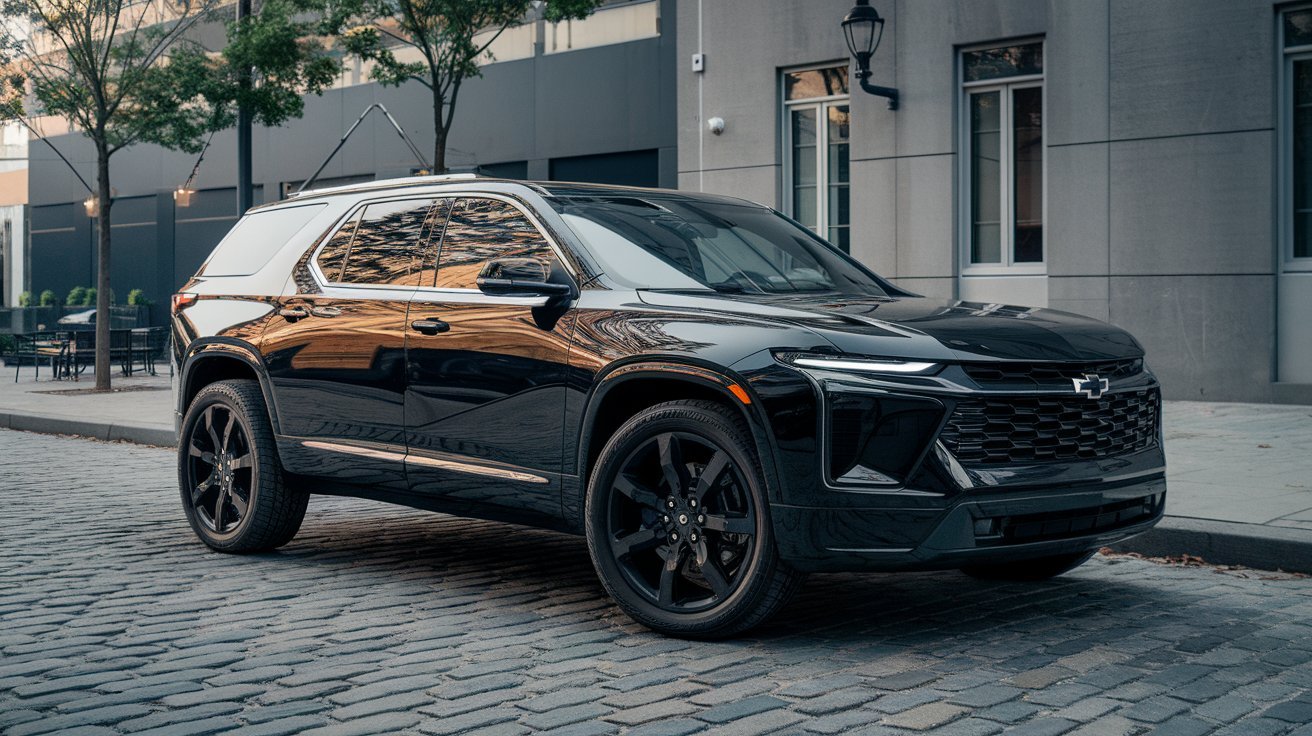
The 2025 Chevy Traverse RS is a sporty, technology-focused version of Chevrolet’s redesigned three-row midsize SUV. Positioned between the practical LT and the luxury-oriented High Country in the 2025 lineup, the RS combines the Traverse’s generous passenger and cargo capacity with RS styling, a turbocharged engine, large wheels, premium interior appointments, and advanced technology. Chevrolet lists the 2025 Traverse RS with a starting MSRP of $54,100, while an example equipped with additional equipment is shown at $56,095.
The RS is particularly notable because Chevrolet does not treat it as merely an appearance package. Along with distinctive exterior details, the trim includes a strong 2.5-liter turbocharged powertrain, a large 17.7-inch infotainment screen, flexible three-row seating, and a broad collection of standard and available driver-assistance technologies.
2025 Chevy Traverse RS Price and Trim Position
The 2025 Chevy Traverse RS occupies a premium position in the Traverse lineup. Chevrolet’s 2025 lineup includes LT, Z71, RS, and High Country configurations, with the RS starting at $54,100. The RS is available with either front-wheel drive or all-wheel drive, with Chevrolet listing the AWD RS at a starting price of $56,100.
The RS is designed around a sportier appearance than the LT, while the High Country emphasizes luxury and the Z71 focuses more heavily on off-road capability. This makes the RS configuration especially relevant to buyers who want a three-row family SUV with a more aggressive street-oriented design.
Pricing can vary based on destination charges, options, packages, dealer pricing, incentives, and vehicle availability. Therefore, the window sticker of a particular vehicle should be checked when comparing actual purchase prices.
Turbocharged Engine and Performance
Every 2025 Traverse uses a 2.5-liter turbocharged four-cylinder engine paired with an 8-speed automatic transmission. The engine produces 328 horsepower and 326 lb-ft of torque, giving the Traverse considerably more output than many conventional four-cylinder three-row SUVs.
Front-wheel drive is available on the RS, while all-wheel drive provides another configuration for buyers who want additional traction. Chevrolet also offers an AWD system designed around the Traverse’s different configurations.
The Traverse can tow up to 5,000 pounds when properly equipped, with Chevrolet noting that the required trailering equipment is included for this capability. The available trailering setup includes equipment such as a heavy-duty cooling system and additional hardware designed for towing.
Fuel economy depends on drivetrain and configuration. Chevrolet lists the 2025 Traverse at up to 20 mpg city and 27 mpg highway in a front-wheel-drive configuration, while all-wheel-drive versions have lower EPA estimates.
RS Exterior Design and Sporty Styling
The 2025 Chevy Traverse RS stands out visually with a collection of features specifically intended to give the SUV a sportier appearance. Chevrolet describes the RS as a sporty and sleek version of the Traverse.
Standard RS styling includes RS badging, blackout exterior details, a dark grille, black roof rails, and 22-inch high-gloss Black-painted aluminum wheels.
The large wheels significantly change the visual character of the SUV compared with the more straightforward LT configuration. The RS also receives a flat-bottom steering wheel and red interior accents, creating a consistent sporty theme between the exterior and cabin.
The overall Traverse design is substantially larger and more upright than many five-seat crossovers. Chevrolet lists a vehicle length of approximately 204.5 inches, a 121-inch wheelbase, and a maximum width of 79.5 inches without mirrors.
2025 Traverse RS Interior and Seating
One of the biggest strengths of the 2025 Chevy Traverse RS is its three-row interior. The RS seats seven people, using second-row captain’s chairs. Chevrolet offers a second-row bench on the LT, which can increase seating capacity to eight, but the RS is configured around a seven-passenger layout.
Inside the RS, Chevrolet uses Jet Black leather-appointed seats with red accents, reinforcing the trim’s performance-inspired appearance. The RS also receives heated front and rear seating and a heated steering wheel among its equipment.
Passenger space is another major consideration. Chevrolet lists up to 44.3 inches of front legroom and 41.4 inches of second-row legroom, while the third row is designed to be substantially more usable than the cramped rear seats found in some three-row SUVs.
The RS and High Country also include One-Touch Fold second-row seats and power-folding second- and third-row seating, making it easier to change between passenger and cargo configurations.
Cargo Space and Family Practicality
The Traverse is engineered around families that regularly need substantial cargo capacity. Chevrolet claims 98 cubic feet of maximum cargo volume, placing the 2025 Traverse among the larger cargo carriers in the midsize three-row SUV category.
The flexible seating arrangement means owners can fold rear seats when carrying larger items. With the third row folded, there is considerably more usable luggage space, while folding additional rows creates a large load floor for bulky equipment.
A hands-free power liftgate is another practical feature, making it easier to load groceries, luggage, sports equipment, or other cargo when both hands are occupied. Chevrolet lists this feature as standard in its 2025 Traverse comparison information.
The combination of three-row seating and substantial maximum cargo capacity gives the Traverse RS a dual personality: it can function as a family transporter during the week and a large cargo vehicle when the rear seats are folded.
Technology, Screens, and Connectivity
Technology is one of the most noticeable aspects of the new-generation Traverse. The 2025 Chevy Traverse RS comes with a 17.7-inch diagonal color touchscreen and an 11-inch diagonal driver information center.
The large center display supports Google built-in, giving occupants access to services and applications such as Google Assistant, Google Maps, and Google Play directly through the vehicle’s infotainment system.
The Traverse also offers wireless smartphone connectivity and charging, while available HD Surround Vision can provide a more comprehensive view around the vehicle during parking and low-speed maneuvering.
Another significant technology option is Super Cruise, Chevrolet’s hands-free driver-assistance system. Chevrolet says available Super Cruise provides access to hundreds of thousands of compatible road miles in the United States and Canada. The system is designed for use on compatible roads and requires drivers to remain attentive.
Safety and Driver-Assistance Features
The 2025 Traverse includes an extensive collection of safety and driver-assistance technologies. Chevrolet identifies features such as Automatic Emergency Braking, Front Pedestrian and Bicyclist Braking, Blind Zone Steering Assist, Rear Cross Traffic Braking, and Safety Alert Seat among the Traverse’s available or standard safety equipment.
Additional systems can help drivers monitor surrounding traffic, identify potential hazards, and manage certain driving situations. However, these technologies are designed to assist rather than replace the driver. Chevrolet specifically notes that weather, visibility, traffic, and road conditions can affect system performance.
For buyers considering a particular RS, it is important to verify the exact equipment because some technologies can depend on the selected configuration or package.
2025 Chevy Traverse RS: What Makes It Different?
The 2025 Chevy Traverse RS brings together the practical strengths of a three-row SUV with a distinctly sportier appearance. Its 328-horsepower turbocharged engine, available AWD, 5,000-pound towing capability, 22-inch wheels, blacked-out styling, red interior accents, and premium technology give it a recognizable identity within the Traverse range.
At the same time, the RS retains the qualities that make the Traverse useful as a family vehicle: seven-passenger seating, flexible rear seats, substantial cargo capacity, a large infotainment display, and available hands-free driving technology.
For 2025, the Traverse RS therefore represents a configuration aimed at buyers who want their three-row SUV to combine family practicality with a bold, street-focused design. Exact prices and equipment can vary by drivetrain, packages, options, destination charges, and market availability, so checking the specifications of the individual vehicle remains important when shopping for a 2025 Chevy Traverse RS.

Pink Talking Fish is not the name of a colorful aquatic animal or a children’s talking-fish toy. In the music world, Pink Talking Fish is a unique hybrid tribute act that combines the music and creative spirit of Pink Floyd, Talking Heads, and Phish. The group has built a following by bringing together three very different musical worlds and transforming familiar songs into connected live performances.
The concept is unusual because Pink Floyd is known for atmospheric and progressive rock, Talking Heads for rhythm-driven art rock and funk influences, and Phish for improvisation, extended compositions, and genre experimentation. Pink Talking Fish combines these elements into a single live experience.
As of 2026, the group continues to perform extensively, with concerts, festival appearances, special ensemble shows, and dates scheduled across the United States.
What Is Pink Talking Fish?
Pink Talking Fish is a hybrid tribute fusion band built around the catalogs of Pink Floyd, Talking Heads, and Phish. Rather than performing the songs of only one artist, the group creates arrangements that connect material from all three bands.
The concept is based on finding musical relationships between songs that were originally created by different artists. A performance may move from a Pink Floyd composition into a Phish section and then transition into a Talking Heads groove. This approach gives the musicians considerable room to experiment with transitions, arrangements, rhythms, and improvisation.
The band’s own description emphasizes three central ingredients: the emotional and atmospheric quality of Pink Floyd, the funky and danceable elements of Talking Heads, and the compositional variety and improvisational possibilities associated with Phish.
This makes Pink Talking Fish different from a conventional tribute band. The focus is not simply on reproducing one group’s songs note-for-note. Instead, the project explores what happens when three influential catalogs are placed into the same musical framework.
The Three Musical Foundations
Understanding Pink Talking Fish becomes easier by looking at the three artists that form its foundation.
Pink Floyd contributes expansive rock arrangements, atmospheric textures, dramatic songwriting, and songs that can work particularly well in extended live performances. Their catalog provides the emotional and progressive side of the Pink Talking Fish concept.
Talking Heads adds rhythm, funk, dance-oriented grooves, and the distinctive songwriting associated with the New York art-rock scene. Songs such as “Once in a Lifetime” and “Slippery People” can provide a completely different rhythmic foundation from Pink Floyd material.
Phish brings improvisational freedom, unusual song structures, extended instrumental passages, and a strong tradition of connecting songs through transitions.
The resulting performance can therefore move between very different musical moods without remaining tied to a single band’s sound.
Recent setlists demonstrate this approach. At the High Sierra Music Festival in July 2026, the group performed material associated with Pink Floyd, Talking Heads, and Phish, including “Mother,” “Time,” “The Great Gig in the Sky,” “Slippery People,” and “The Divided Sky.”
Pink Talking Fish Members and Musical Style
The core Pink Talking Fish lineup has included Eric Gould on bass, Richard James on keyboards, Zack Burwick on drums, and Cal Kehoe on guitar.
Each instrument plays an important role in recreating the different dimensions of the band’s source material.
The bass and drums establish the rhythmic foundation, which becomes especially important when the band moves toward the funkier Talking Heads material or the groove-based portions of Phish songs. The keyboards help create the atmospheric and textural qualities associated with Pink Floyd while also supporting the harmonic complexity of the broader repertoire.
The guitar has to move between psychedelic, progressive, blues-influenced, funk-oriented, and improvisational approaches depending on the song.
The lineup can also expand for special performances. For example, the group was scheduled to become a larger ensemble for the 100th anniversary celebration of The Capitol Theatre in Port Chester, New York, with the core quartet joined by the Gotham Horns.
This flexibility is part of the band’s appeal: the basic quartet can perform a focused club show, while an expanded ensemble can create a much larger concert arrangement.
How Pink Talking Fish Creates Its Live Shows
One of the most interesting features of Pink Talking Fish concerts is the use of transitions and musical combinations.
The group does not necessarily play one complete song and then stop before beginning another. Instead, sections can flow into one another. The band has described examples in which Pink Floyd’s “On the Run” is incorporated into Phish’s “You Enjoy Myself”, while Phish’s “Sand” can be placed into the groove of Talking Heads’ “Slippery People.”
Other combinations can connect multiple songs in a continuous sequence. These arrangements give the audience an opportunity to recognize familiar musical themes while also hearing them in a new context.
A 2026 setlist from The Beachcomber in Wellfleet included material from all three principal sources, including Phish’s “Bathtub Gin” and “The Divided Sky,” Pink Floyd’s “Brain Damage,” “Comfortably Numb,” and “Time,” and Talking Heads’ “Life During Wartime,” “Once in a Lifetime,” and “Psycho Killer.”
This constantly changing structure also means that fans can encounter different combinations at different shows.
Pink Talking Fish 2026 Tour and Concerts
2026 is an active touring year for Pink Talking Fish. The group announced winter and spring dates across the Northeast, Mid-Atlantic, and Midwest, with performances extending through the year.
The schedule has included club shows, festival appearances, special events, and late-night performances. The group also appeared at the High Sierra Music Festival in California in July 2026.
The band’s 2026 calendar includes several notable events. The group is scheduled for a Halloween performance at Higher Ground in South Burlington, Vermont, on October 31, and a two-night New Year’s engagement at Moontown Brewing Company in Whitestown, Indiana, on December 30 and 31.
The group is also scheduled to perform in Florida in December, including dates at The Funky Biscuit in Boca Raton.
Because concert schedules can change, people interested in a specific performance should verify the date, venue, age requirements, and ticket information with the relevant venue or official event source.
What Makes Pink Talking Fish Different?
The central attraction of Pink Talking Fish is the band’s approach to musical fusion. Traditional tribute acts generally focus on faithfully reproducing the catalog of one artist or band. Pink Talking Fish instead starts with three catalogs and asks how they can interact.
That creates several layers of interest.
For Pink Floyd fans, the group provides familiar melodies and atmospheric material in a live setting that may be more improvisational than a conventional Pink Floyd tribute.
For Talking Heads listeners, the rhythmic and dance-oriented side of the band’s music becomes part of a much broader musical conversation.
For Phish fans, the improvisational possibilities and transitions can make familiar songs feel less predictable.
The group has also incorporated music beyond its three primary sources. Recent setlists have included songs associated with artists such as The Rolling Stones, Al Green, and the Beastie Boys, showing that the band’s live repertoire can extend beyond its central three-band concept.
Frequently Asked Questions About Pink Talking Fish
Is Pink Talking Fish a real band?
Yes. Pink Talking Fish is a live hybrid tribute fusion act that performs music associated primarily with Pink Floyd, Talking Heads, and Phish.
What bands does Pink Talking Fish tribute?
The band’s core concept combines Pink Floyd, Talking Heads, and Phish. Its performances can also include material from other artists.
Who is in Pink Talking Fish?
The core lineup has included Eric Gould, Richard James, Zack Burwick, and Cal Kehoe, playing bass, keyboards, drums, and guitar respectively.
Does Pink Talking Fish tour in 2026?
Yes. Pink Talking Fish has an extensive 2026 concert schedule, including club shows, festivals, special performances, and dates later in the year.
What kind of music does Pink Talking Fish play?
The group combines rock, progressive rock, funk, psychedelic influences, improvisation, and dance-oriented grooves through arrangements based primarily on Pink Floyd, Talking Heads, and Phish.
Are Pink Talking Fish concerts different from normal tribute shows?
The group’s format is distinctive because it combines songs and musical ideas from three different bands, frequently using transitions and extended arrangements instead of simply performing one catalog from beginning to end.
Conclusion
Pink Talking Fish has developed a distinctive identity by bringing together three influential musical worlds: Pink Floyd, Talking Heads, and Phish. Instead of limiting itself to a traditional tribute format, the group uses transitions, improvisation, extended arrangements, and creative combinations to build a constantly evolving live experience.
Its 2026 touring schedule demonstrates that the project remains active, with performances ranging from intimate club appearances to festivals and larger special events.
For listeners discovering the group for the first time, Pink Talking Fish offers an opportunity to hear familiar songs from three major catalogs presented through a single musical lens. Its appeal ultimately comes from the connections between different styles—Pink Floyd’s atmosphere, Talking Heads’ rhythmic energy, and Phish’s improvisational spirit—combined into a live show that can change from one performance to the next.

YouTube K-Pop Demon Hunters: Complete Guide to Videos, Music, Characters, and Fandom

2024 Mitsubishi Mirage: Complete Guide to Specs, MPG, Features and Ownership

2025 Aftershock Roller Coaster Silverwood Theme Park: Complete Guide

Mary Jo Campbell: The Life, Family, and Lasting Influence of the Kardashian-Jenner Matriarch

AI Design and Pictures of Editor Made Simple for Stunning Creations

Seryl Kushner: The Private Life and Lasting Influence of a Prominent Family Figure
 Celebrity2 months ago
Mary Jo Campbell: The Life, Family, and Lasting Influence of the Kardashian-Jenner Matriarch
- Technology3 months ago
AI Design and Pictures of Editor Made Simple for Stunning Creations
- Celebrity2 months ago
Seryl Kushner: The Private Life and Lasting Influence of a Prominent Family Figure
- Celebrity2 months ago
Destiny Pérez: Biography, Career, Public Recognition, and Growing Influence
- Technology2 months ago
AlphaInnovate.com Review: Features, Pros, Cons, and What You Should Know Before Using the Platform
- Blog2 months ago
Spell Tieing or Tying: Which Is Correct? Complete Grammar and Spelling Guide (2026)
- Technology3 months ago
5 Simple Tricks to Prevent Wear on Your Vehicle
- Blog2 months ago
Friday in Spanish: Meaning, Pronunciation, Usage, and Cultural Importance