Entertainment
Anna Videos Elsa and Anna Videos: Complete 2026 Guide

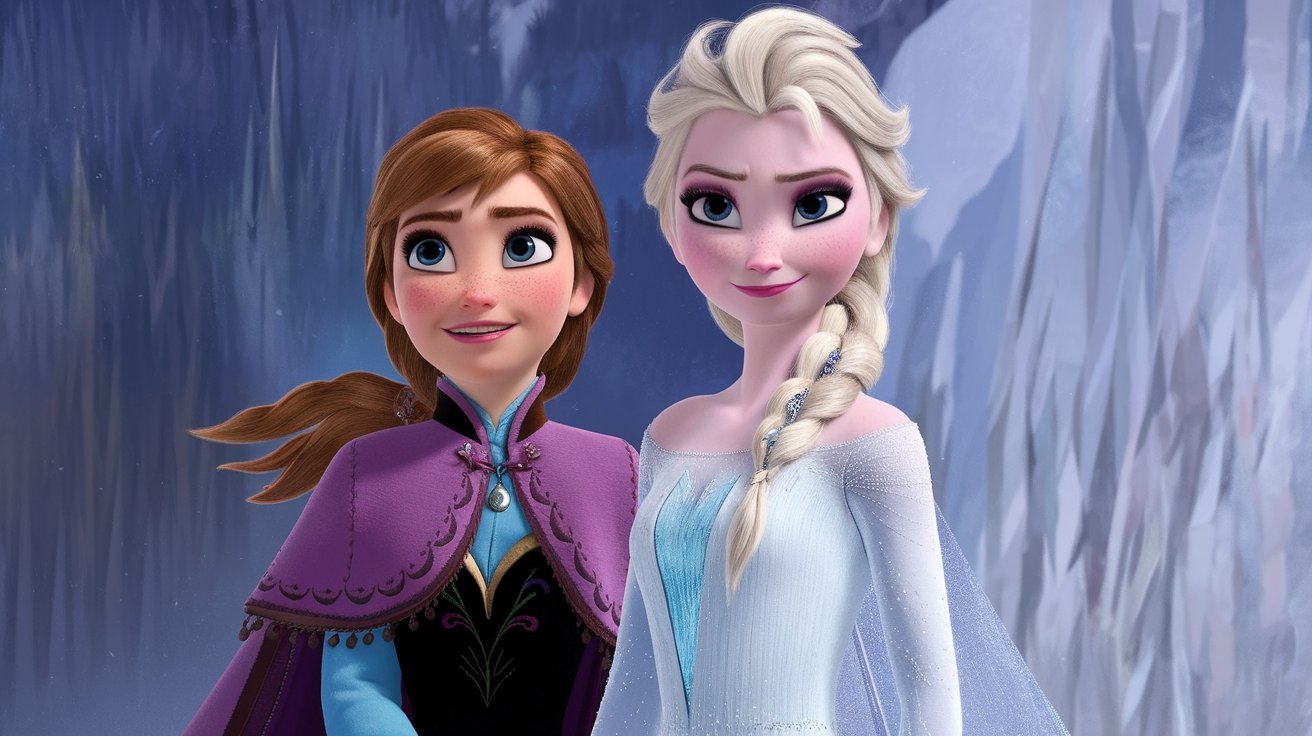
Anna videos Elsa and Anna videos continue to be popular searches among children, parents, families, and Disney fans looking for entertaining content inspired by the world of Frozen. From short character clips and songs to longer compilations, games, stories, and memorable sister moments, there are many different types of videos featuring the two beloved sisters from Arendelle.
Elsa and Anna are at the center of the Frozen franchise, and their relationship is one of its most important themes. Official Disney descriptions emphasize their family connection, adventures, and the challenges they face together. In Frozen 2, the sisters travel beyond Arendelle with Kristoff, Olaf, and Sven while searching for answers about Elsa’s powers and their family’s past.
For viewers searching for Anna videos Elsa and Anna videos, understanding the different types of available content can make it easier to find something suitable for every age and interest.
What Are Anna Videos and Elsa and Anna Videos?
Anna videos generally refer to videos focused on Anna, one of the central characters from Disney’s Frozen. These can include character introductions, story clips, songs, adventures, games, sing-alongs, and compilations.
Elsa and Anna videos place both sisters together and often focus on their relationship. Some videos highlight their funniest moments, while others concentrate on emotional scenes, adventures, celebrations, or their teamwork.
Official Disney Kids content includes videos such as “Playtime with Elsa and Anna,” which introduces viewers to Elsa’s powers and Olaf while highlighting the sisters’ relationship.
The wide range of video formats means that searches for Anna videos can lead to very different experiences. A viewer looking for songs may want a sing-along, while someone interested in the characters may prefer a story compilation or collection of memorable scenes.
Why Elsa and Anna Videos Are So Popular
One major reason for the popularity of Elsa and Anna videos is the emotional connection between the sisters. Their story is not based only on fantasy or magical powers. It also explores family, trust, courage, independence, and supporting someone you love.
Disney has described Frozen as a story centered on Elsa and Anna and their powerful sisterly bond. The franchise’s continuing popularity has also produced songs, games, books, merchandise, sing-alongs, and other forms of entertainment.
This makes the characters appealing to different audiences. Younger viewers may enjoy colorful adventures and songs, while older fans may appreciate the emotional development of the sisters.
The combination of magic, humor, music, adventure, and family gives Elsa and Anna videos a broad appeal.
Best Types of Anna Videos to Watch
There are several categories worth exploring when searching for Anna videos.
Anna story videos focus on the character’s adventures and relationships. These can be useful for viewers who want to understand Anna beyond individual scenes.
Anna song videos are another popular category. Sing-alongs allow viewers to follow familiar musical performances while enjoying the characters and animation.
Anna compilation videos combine several shorter scenes into one longer viewing experience. These are convenient for fans who want to watch multiple memorable moments without searching for each clip individually.
There are also Anna games and challenge videos, which can introduce playful activities involving characters from the Frozen universe.
For families, official Disney channels and platforms are generally the best places to begin because they provide recognizable, authorized content.
Best Elsa and Anna Videos for Family Viewing
Elsa and Anna videos are particularly suitable for family viewing when they focus on friendship, sisterhood, adventure, music, and positive messages.
Disney Kids has published longer compilations featuring the sisters’ memorable moments. One official compilation focuses on their heartwarming moments and sisterhood, combining several segments involving Elsa, Anna, Olaf, and other characters.
These longer videos can be convenient for families because they provide a collection of related scenes in one place.
Parents can also choose content according to the child’s age and attention span. Younger children may prefer short songs or simple character clips, while older children may enjoy longer stories and adventures.
When searching online, it is useful to check whether a video comes from an official Disney source. This can help families avoid misleading titles, unrelated content, or videos that simply use character names to attract clicks.
Elsa and Anna’s Relationship in the Videos
The relationship between Elsa and Anna is the foundation of many of the most memorable videos.
Anna is portrayed as optimistic, energetic, and deeply connected to her family. Elsa, meanwhile, has magical abilities and spends much of her story learning how to understand and control those powers.
In Frozen 2, Disney describes Anna as someone who values her family and wants Arendelle to remain safe. Elsa is presented as a powerful but uncertain character who wants to understand why she was born with magical abilities. Their journey takes them beyond Arendelle in search of answers.
That contrast makes their videos interesting. Anna often represents determination and optimism, while Elsa represents mystery, magic, and self-discovery.
Their differences do not separate them permanently. Instead, the stories repeatedly demonstrate how the sisters support one another.
Where to Find Elsa and Anna Videos
People searching for Elsa and Anna videos can find official content through Disney’s websites and verified Disney video channels. Disney’s official movie pages also provide trailers and related videos connected with Frozen 2.
YouTube’s verified Disney Kids channel is another useful destination for family-friendly Frozen material. Its published videos include character compilations, sister moments, games, and other themed content.
When looking for a particular video, useful search terms include “Anna videos,” “Elsa and Anna videos,” “Elsa and Anna compilation,” “Frozen Anna songs,” “Elsa and Anna sister moments,” and “Frozen Kids videos.”
It is also worth checking the video’s publisher before watching. Official channels are preferable when the goal is to find authentic Disney content.
Why Anna Videos Remain Popular in 2026
In 2026, Anna videos and Elsa and Anna videos remain relevant because the characters have developed into much more than individual movie personalities. They represent a recognizable combination of family, friendship, courage, adventure, and self-discovery.
The continued availability of official compilations, songs, trailers, and character-focused videos gives fans many ways to revisit the world of Arendelle. Disney’s official material continues to feature Elsa, Anna, Olaf, Kristoff, and Sven across different video formats.
For families searching for Anna videos Elsa and Anna videos, the best approach is to choose content from trusted sources and select the format that matches the viewer’s interests. Short clips are ideal for quick entertainment, while compilations and story videos offer a longer experience.
Ultimately, the popularity of these videos comes down to the enduring appeal of Elsa and Anna’s sisterhood. Their adventures combine fantasy and music with meaningful themes about family, courage, responsibility, and believing in the people closest to you. That combination continues to make Elsa and Anna videos an entertaining choice for Disney fans in 2026.
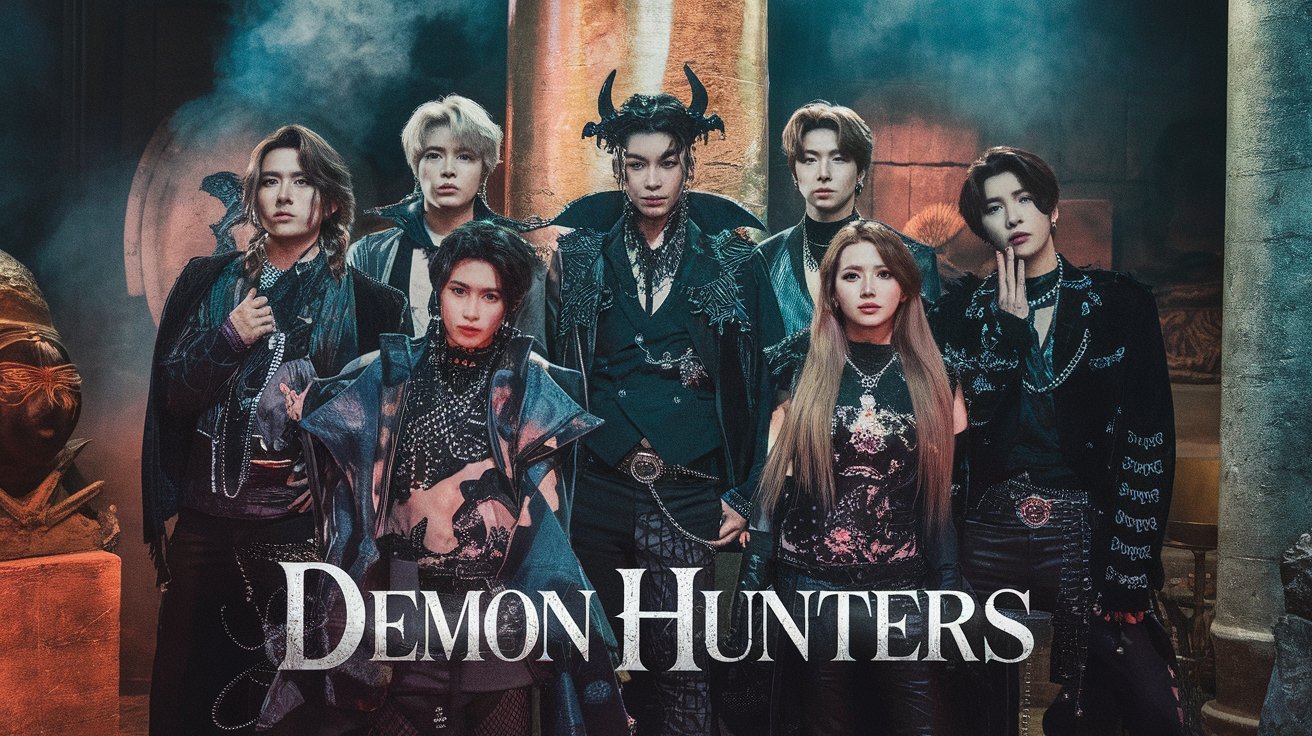
K-Pop Demon Hunters has become a major entertainment phenomenon, combining K-pop music, supernatural fantasy, action, comedy, and Korean-inspired visual storytelling. As audiences continue discovering the film and its music online, YouTube has become one of the most important places for fans to watch official videos, listen to songs, explore characters, and participate in the wider fandom.
The phrase “YouTube K-Pop Demon Hunters” can refer to many different types of content, including official music videos, trailers, song performances, character clips, reaction videos, dance covers, edits, fan animations, and soundtrack uploads. Understanding the official material alongside community-created content makes it easier to explore the world of KPop Demon Hunters.
What Is K-Pop Demon Hunters?
KPop Demon Hunters is an animated musical fantasy film released on Netflix in 2025. The story follows Rumi, Mira, and Zoey, members of the fictional K-pop girl group HUNTR/X, who secretly protect their fans from supernatural threats.
The movie combines the familiar world of modern K-pop with a fantasy battle narrative. On stage, HUNTR/X are performers; away from the spotlight, they are demon hunters.
The central concept gives the movie two distinct identities. It works as a colorful musical adventure filled with performances and original songs, while also functioning as a supernatural action story involving demons, magical powers, and the group’s mission to protect humanity.
The movie’s music became an especially important part of its popularity. Songs such as “Golden,” “How It’s Done,” “Takedown,” “What It Sounds Like,” and “Free” helped establish the fictional performers as recognizable musical characters.
Why YouTube Is Important for K-Pop Demon Hunters
YouTube has become a major destination for people searching for K-Pop Demon Hunters videos because the platform supports many different forms of fan and official content.
Viewers can find:
- Official music videos
- Movie trailers and clips
- Behind-the-scenes material
- Character videos
- Lyric videos
- Dance covers
- Reaction videos
- Song performances
- Fan edits
- Animation projects
- Shorts
- Theory and explanation videos
The official Netflix and related entertainment channels provide a convenient way to discover promotional material, while independent creators add their own interpretations.
For new viewers, it is useful to distinguish between official uploads and fan-made videos. Titles and thumbnails can sometimes look similar, but the source of a video determines whether it is an official release, commentary, remix, reaction, or fan creation.
K-Pop Demon Hunters Music on YouTube
Music is one of the biggest reasons people search for K-Pop Demon Hunters on YouTube. The film’s soundtrack became a significant part of the overall franchise experience, with several songs receiving substantial attention outside the movie itself.
“Golden” is particularly important because it functions as a major musical centerpiece. The song connects the performers’ ambitions with the movie’s larger supernatural storyline.
Other songs provide different musical moods. “How It’s Done” emphasizes the confidence and performance identity of HUNTR/X, while “Takedown” presents a more confrontational musical style. The soundtrack also includes songs associated with the fictional rival group Saja Boys.
Music videos allow audiences to experience the songs independently from the film. On YouTube, fans can also find dance tutorials, choreography recreations, covers, lyric videos, instrumental versions, and reaction content inspired by the soundtrack.
This combination of animated storytelling and pop-music presentation is one reason the movie has generated such a broad online community.
Meet HUNTR/X and the Main Characters
At the center of the story is HUNTR/X, the fictional K-pop girl group consisting of Rumi, Mira, and Zoey.
Rumi
Rumi serves as the group’s leader and main vocalist. Her character is closely connected to the movie’s central emotional conflict, giving her storyline importance beyond the group’s performances.
Mira
Mira is another member of HUNTR/X and contributes to the group’s fighting abilities as well as its stage identity. Her confident personality makes her an important part of the trio’s dynamic.
Zoey
Zoey is the youngest member of HUNTR/X. She combines energetic performance skills with the team’s demon-hunting mission.
Saja Boys
The Saja Boys serve as the supernatural rival boy band. Their introduction allows the movie to play with familiar K-pop conventions while incorporating the fantasy concept.
This contrast between competing musical groups creates many of the film’s most memorable performances and comedic moments.
K-Pop Demon Hunters Videos, Shorts, and Fan Content
Beyond official material, YouTube has become a large space for K-Pop Demon Hunters fan culture.
Creators produce Shorts featuring memorable scenes, character edits, song clips, dance challenges, and humorous moments. Other channels publish longer videos analyzing character relationships, explaining the mythology, discussing the soundtrack, or examining animation details.
Dance covers are another natural extension of the movie’s K-pop concept. Fans can recreate choreography inspired by the film and publish their performances to YouTube. Some creators also produce vocal covers of soundtrack songs.
Reaction videos provide another perspective. These videos typically show creators watching a trailer, music video, or song for the first time and discussing their reactions.
Fan content can be entertaining and informative, but viewers should remember that it represents the creator’s interpretation rather than necessarily being official information about the movie.
How to Find Official K-Pop Demon Hunters Content
When searching YouTube for K-Pop Demon Hunters, viewers can improve their results by using specific keywords.
Useful searches include:
- K-Pop Demon Hunters official trailer
- KPop Demon Hunters official music video
- KPop Demon Hunters Golden
- HUNTR/X Golden
- KPop Demon Hunters soundtrack
- KPop Demon Hunters characters
- KPop Demon Hunters dance
- KPop Demon Hunters Netflix
Searching for a specific song or character generally produces more precise results than simply entering the broad phrase “YouTube K-Pop Demon Hunters.”
For official information, viewers should prioritize verified channels and established entertainment sources. YouTube search results can also contain unofficial uploads, so checking the channel name and video description is useful.
The Cultural Appeal of K-Pop Demon Hunters
The success of KPop Demon Hunters comes partly from the way it combines several popular entertainment formats.
The movie uses the visual language of K-pop, including stage performances, stylish costumes, choreography, fan culture, and highly produced music. It then combines these elements with Korean-inspired mythology and supernatural fantasy.
Animation gives the filmmakers additional freedom to create spectacular performances and action sequences that would be difficult to reproduce in live-action. Characters can move between concert stages and supernatural battles without losing the colorful visual identity of the movie.
The film also introduces audiences who may not normally follow K-pop to the genre’s musical and visual conventions. At the same time, existing K-pop fans can recognize familiar ideas and enjoy the fictionalized interpretation.
YouTube extends that experience by allowing audiences to participate rather than simply watch. Fans can sing, dance, react, remix, analyze, animate, and create their own interpretations.
Final Thoughts on YouTube K-Pop Demon Hunters
YouTube K-Pop Demon Hunters represents much more than a collection of movie clips. The platform has become an important part of how audiences discover the film’s music, characters, performances, fandom, and creative community.
Official trailers and music videos provide the foundation, while fan-made dance covers, reactions, edits, Shorts, theories, and analyses expand the experience. Songs such as “Golden,” “How It’s Done,” and “Takedown” have become particularly recognizable parts of the franchise’s musical identity.
For anyone exploring the phenomenon in 2026, the best approach is to start with official K-Pop Demon Hunters content, then explore the wider YouTube community to discover performances, discussions, and creative interpretations.
The combination of K-pop, animation, fantasy, action, and original music gives KPop Demon Hunters a distinctive identity, while YouTube provides the global platform through which fans can continue sharing and celebrating that world.
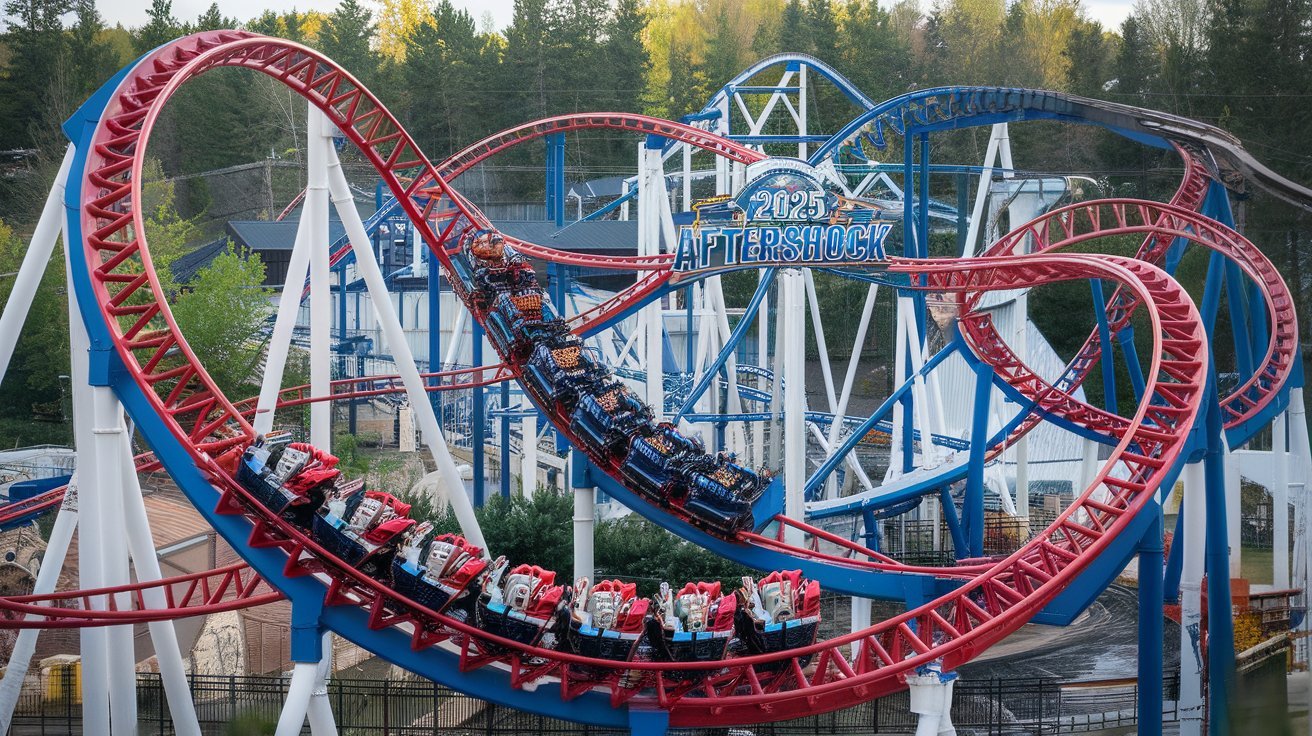
When we talk about the major thrill rides at Silverwood Theme Park, Aftershock is one attraction that immediately stands out. Located in Roller Coaster Alley at Silverwood Theme Park in Athol, Idaho, Aftershock is a massive Vekoma Giant Inverted Boomerang that combines forward and backward motion with steep drops, inversions, and powerful G-forces.
For visitors researching the 2025 Aftershock roller coaster at Silverwood Theme Park, the attraction remains one of the park’s high-intensity experiences. Silverwood lists the ride at 191 feet tall, with a 177-foot longest drop, a top speed of 65.6 mph, three published inversions, and a 90-degree vertical angle.
What Is Aftershock at Silverwood Theme Park?
Aftershock is a steel inverted shuttle roller coaster manufactured by Vekoma. Unlike a traditional coaster that completes a conventional circuit, Aftershock sends riders through its course and then repeats the experience backward.
The ride originally operated as Déjà Vu at Six Flags Great America before being relocated to Silverwood. It opened at Silverwood in 2008, where it became a prominent feature of the park’s Roller Coaster Alley.
Silverwood describes Aftershock as a ride that works as two thrills in one. Riders first travel backward up one tower before descending and moving through the ride’s inversions. The train then climbs the opposite tower and returns through the course backward.
This unusual shuttle configuration is an important part of what makes the Aftershock roller coaster different from Silverwood’s other major attractions.
Aftershock Roller Coaster Stats and Specifications
The published specifications give us a clear picture of how large and intense Aftershock is. Silverwood currently lists the following key figures:
- Manufacturer: Vekoma
- Model: Giant Inverted Boomerang
- Height: 191 feet
- Longest drop: 177 feet
- Top speed: 65.6 mph
- Inversions: 3
- Vertical angle: 90 degrees
- Maximum G-force: 4.5 G
- Ride duration: Approximately 1 minute 32 seconds
- Ride type: High-intensity inverted shuttle coaster
- Location: Roller Coaster Alley
- Opened at Silverwood: 2008
Other coaster databases report a track length of approximately 1,204 feet and a train configuration carrying 32 riders. These sources also identify the attraction as a Vekoma Giant Inverted Boomerang.
One interesting detail is the ride’s 90-degree vertical angle. As the train reaches the tower, riders experience an extremely steep ascent before the train is released and sent back through the course.
How Does the Aftershock Ride Experience Work?
The Aftershock experience begins differently from many traditional roller coasters. Instead of immediately climbing a conventional lift hill, the train moves backward up the starting tower. As the train rises, riders eventually find themselves looking toward the ground.
After reaching the necessary height, the train is released. Gravity pulls it downward, allowing it to reach speeds of up to approximately 65.6 mph. The train then travels through the coaster’s major elements, including its cobra roll and inverted loop.
The first trip through the course is only half of the experience. After reaching the opposite tower, the train climbs upward and then reverses direction. Riders are sent back through the same general sequence backward.
This forward-and-backward design creates a distinctive sensation because the second pass changes the way riders experience the drops, inversions, and direction changes. With a published maximum of 4.5 G, Aftershock is firmly classified by Silverwood as a High Intensity attraction.
Aftershock Height Requirement and Safety Information
Before planning to ride Aftershock, visitors should pay close attention to Silverwood’s current requirements. The park lists a minimum height of 54 inches and a maximum height of 80 inches for the attraction.
The ride uses a locking over-the-shoulder restraint with a seat belt. Silverwood’s accessibility guide also provides additional information about the restraint system and specific requirements for riders with certain mobility considerations.
Silverwood advises that people with certain conditions, including a history of neck or back problems, heart conditions, recent surgery, dizziness, fear of heights, or pregnancy, should not ride. The park’s official accessibility guide should be checked before visiting because requirements and operating procedures can change.
Because Aftershock combines significant height, speed, inversions, sudden direction changes, and substantial G-forces, it is intended for guests who meet the park’s requirements and are comfortable with high-intensity amusement rides.
Where Is Aftershock at Silverwood?
Aftershock is located in Roller Coaster Alley, one of the park’s primary areas for thrill attractions. Silverwood’s current ride listings place several major attractions in this section of the park, including Aftershock, Corkscrew, Panic Plunge, SpinCycle, Stunt Pilot, Timber Terror, and Tremors.
This makes Roller Coaster Alley an important area for visitors who want to experience several of Silverwood’s more intense attractions during one visit.
Aftershock also has a distinctive visual presence because its 191-foot structure rises high above the surrounding park. The towers and suspended train make it easy to identify from a distance.
Aftershock in the 2025 Silverwood Theme Park Experience
The 2025 season was notable at Silverwood for changes to another major coaster, Tremors, which received a significant seismic-themed upgrade. However, Aftershock continued to represent the park’s signature inverted shuttle-coaster experience. Silverwood’s current official ride information continues to list Aftershock with its established specifications and high-intensity classification.
For someone searching specifically for 2025 Aftershock roller coaster Silverwood Theme Park, it is useful to distinguish Aftershock from Silverwood’s newer or upgraded attractions. Aftershock is an established ride that has been operating at the park since 2008, rather than a coaster introduced for the 2025 season.
Its combination of backward launches through the course, a 191-foot structure, 65.6-mph speeds, three published inversions, and 4.5 G-forces continues to make it an important part of Silverwood’s thrill-ride lineup.
Frequently Asked Questions About Aftershock
Is Aftershock still at Silverwood Theme Park?
Yes. Silverwood’s official ride information currently lists Aftershock as a high-intensity attraction in Roller Coaster Alley. The coaster opened at Silverwood in 2008.
How tall is Aftershock?
Silverwood lists Aftershock at 191 feet tall, with a 177-foot longest drop.
How fast does Aftershock go?
The official Silverwood specification lists a top speed of 65.6 mph.
How many times does Aftershock go upside down?
Silverwood lists three inversions for the attraction. Because the coaster travels through its course in both directions, the overall ride experience includes the inversion sequence during the forward and backward portions.
What is the minimum height for Aftershock?
The current Silverwood requirement is 54 inches minimum, with an 80-inch maximum.
Where is Aftershock located?
Aftershock is located in Roller Coaster Alley at Silverwood Theme Park in Athol, Idaho.
When did Aftershock open at Silverwood?
Aftershock opened at Silverwood in 2008 after being relocated from Six Flags Great America, where it previously operated under the name Déjà Vu.
Conclusion
The 2025 Aftershock roller coaster at Silverwood Theme Park remains one of the park’s defining high-intensity attractions. Its 191-foot height, 177-foot drop, 65.6-mph top speed, 90-degree vertical angle, three inversions, and forward-and-backward shuttle design give it a very different profile from a conventional roller coaster.
For visitors planning a Silverwood trip, understanding the height restrictions, high-intensity classification, restraint system, and ride layout can make it easier to decide whether Aftershock fits their itinerary. With its long history at the park and distinctive Vekoma Giant Inverted Boomerang design, Aftershock remains an easily recognizable part of the Silverwood experience.

Learning birthday in ASL is a useful way to communicate a familiar celebration in American Sign Language (ASL). Whether we are learning ASL for the first time, communicating with Deaf and hard-of-hearing friends or family members, or simply interested in expanding our signing vocabulary, knowing how to sign words connected with birthdays can be both practical and meaningful.
The sign for “birthday” is commonly used in conversations about celebrations, invitations, wishes, parties, and personal milestones. However, learning the sign by itself is only the beginning. We can communicate more naturally by understanding how it fits into ASL sentences, facial expressions, questions, and related signs such as happy, celebrate, party, gift, cake, and age.
What Does Birthday Mean in ASL?
In ASL, birthday is expressed with a specific sign rather than by spelling the English word letter by letter. ASL is a complete natural language with its own grammar, structure, and linguistic conventions, so a direct English-to-ASL translation does not always work word for word.
The commonly taught sign for birthday involves a handshape and movement associated with the chest and lower neck area. Because hand orientation, location, movement, and facial expression all matter in ASL, simply knowing a rough description is not enough to guarantee accurate signing.
For beginners, it is best to learn birthday from a reliable ASL instructor, Deaf educator, or reputable ASL dictionary that provides a clear visual demonstration. Watching the movement is particularly important because ASL is a visual language.
We should also remember that signs can have regional and individual variations. A sign used in one ASL community may look somewhat different from another accepted form without necessarily changing the intended meaning.
How to Sign Birthday in ASL
When learning birthday in ASL, we should pay attention to four major components: handshape, palm orientation, location, and movement. These elements work together to create the sign.
The commonly used sign is generally produced near the upper chest and neck area. The movement is performed in a controlled manner rather than as an exaggerated gesture. Beginners should avoid relying exclusively on written descriptions because a written explanation cannot fully represent the three-dimensional movement of an ASL sign.
The best learning process is to watch the sign repeatedly, practice slowly, compare hand positioning with a trusted demonstration, and then use it in context.
It is also helpful to practice the sign with related vocabulary. For example, we can learn happy birthday, birthday party, birthday cake, and questions about someone’s birthday. This makes the vocabulary more useful than memorizing a single isolated sign.
Accuracy is especially important when communicating with fluent signers. Small differences in handshape or movement can sometimes affect meaning, so visual learning should remain central to ASL study.
How to Sign “Happy Birthday” in ASL
One of the most useful phrases connected with birthday in ASL is “Happy Birthday.” Instead of assuming that English grammar maps directly onto ASL, we should learn the phrase according to natural ASL usage.
The sign for happy is commonly made with both hands moving upward along the front of the body in a repeated motion. It conveys a positive emotional state and can be used in many contexts beyond birthdays.
The sign for birthday can then be used according to the accepted ASL form. Facial expression and body language can add warmth and enthusiasm, particularly in a celebratory conversation.
When wishing someone a happy birthday, expression is important. ASL communication does not depend only on the hands. Facial expression, eye gaze, body movement, and context can contribute significantly to the meaning and emotional tone of a signed message.
Rather than mechanically copying an English phrase, beginners should focus on learning how fluent ASL users naturally express the intended idea.
Birthday Vocabulary We Can Learn Alongside ASL
Once we understand birthday in ASL, we can expand our vocabulary with related words. This creates a practical group of signs that can be used during birthday conversations.
Useful birthday-related concepts include:
- Birthday
- Happy
- Party
- Celebrate
- Cake
- Gift or present
- Friend
- Family
- Age
- Year
- Month
- Date
- Today
- Tomorrow
- When
Learning these signs together makes it easier to have meaningful conversations. For example, instead of knowing only the word birthday, we can eventually discuss when someone’s birthday is, how old they are, whether they are having a party, and what they plan to do.
We should learn vocabulary in context rather than memorizing disconnected signs. Context helps us understand ASL grammar and gives us opportunities to practice natural communication.
How to Ask About Someone’s Birthday in ASL
After learning the sign for birthday, a natural next step is learning how to ask questions about birthdays. English speakers might ask, “When is your birthday?” but ASL does not necessarily follow English word order.
ASL commonly uses time-related information and topic-comment structures. A learner may encounter forms that conceptually organize the sentence around the birthday before asking when it occurs.
Questions in ASL also rely heavily on non-manual markers, particularly facial expressions. Yes/no questions and information questions can use different facial and body cues.
For this reason, beginners should not focus exclusively on translating English sentences word for word. Instead, we should learn complete ASL constructions from fluent signers and understand how ASL organizes information.
Practicing questions such as “When is your birthday?”, “Whose birthday is today?”, and “How old are you?” can make the vocabulary much more practical.
Why Facial Expression Matters When Signing Birthday
A common beginner mistake is concentrating so intensely on hand movements that facial expression is forgotten. In ASL, however, communication involves much more than handshape.
When signing something celebratory such as birthday, a natural facial expression can communicate enthusiasm, warmth, curiosity, or surprise. In questions, facial movements can also contribute grammatical information.
This does not mean that we should exaggerate every expression. Instead, learners should observe how fluent signers naturally use their face, eyebrows, mouth, head position, and body posture.
The more we watch authentic ASL communication, the easier it becomes to recognize that ASL is not simply spoken English represented through hand gestures. It is a visual language with its own grammar and cultural context.
Tips for Practicing Birthday in ASL
Consistent practice is one of the best ways to remember a new sign. We can begin by watching a reliable demonstration several times without immediately trying to copy it. Then we can break the movement into its individual components.
Practice should initially be slow and deliberate. We should pay attention to handshape, orientation, location, and movement. Once the sign becomes comfortable, we can practice it in short phrases.
Recording ourselves can also be useful. A video allows us to compare our signing with a trusted reference and notice differences that may be difficult to see while practicing.
It is equally important to practice with other ASL learners or fluent signers when possible. Feedback can help correct small mistakes before they become habits.
Most importantly, we should approach ASL with respect for Deaf culture and the Deaf community. ASL is not merely a collection of gestures; it is a living language used by a diverse community of people.
Birthday in ASL: Final Thoughts
Learning birthday in ASL provides a simple entry point into a much broader ASL vocabulary. From birthday wishes to conversations about age, celebrations, family, and dates, the concept can help beginners develop practical communication skills.
The most effective approach is to learn the sign visually, practice its components carefully, and then place it into natural ASL expressions. Adding related signs such as happy, party, cake, gift, celebrate, age, month, and date can quickly expand our ability to communicate.
We should also remember that ASL includes grammar, facial expressions, body movement, and cultural context. Learning these elements alongside vocabulary leads to more natural and respectful communication.
Frequently Asked Questions About Birthday in ASL
What is the ASL sign for birthday?
The commonly used ASL sign for birthday is produced around the upper chest and neck area with a specific handshape and movement. Because ASL is visual, learning from a reliable video demonstration is recommended.
How do we sign “Happy Birthday” in ASL?
We combine the commonly used signs for happy and birthday, while using appropriate facial expression and natural ASL structure.
Is ASL the same as English?
No. American Sign Language is a distinct natural language with its own grammar and linguistic structure. It should not be treated as English translated directly into hand gestures.
Can the sign for birthday vary?
Yes. ASL can have regional, community, and individual variations. A reputable ASL resource or fluent signer can help learners understand accepted variations.
What other signs should we learn with birthday?
Useful related vocabulary includes happy, party, celebrate, cake, gift, family, friend, age, month, date, today, and tomorrow.
Why are facial expressions important in ASL?
Facial expressions can communicate emotion, emphasis, and grammatical information, making them an important part of natural ASL communication.
How can beginners practice birthday in ASL?
We can watch reliable demonstrations, practice slowly, record ourselves, compare our movements with accurate references, and practice with experienced ASL users or instructors.

YouTube K-Pop Demon Hunters: Complete Guide to Videos, Music, Characters, and Fandom

2024 Mitsubishi Mirage: Complete Guide to Specs, MPG, Features and Ownership

2025 Aftershock Roller Coaster Silverwood Theme Park: Complete Guide

Mary Jo Campbell: The Life, Family, and Lasting Influence of the Kardashian-Jenner Matriarch

AI Design and Pictures of Editor Made Simple for Stunning Creations

Seryl Kushner: The Private Life and Lasting Influence of a Prominent Family Figure
 Celebrity2 months ago
Mary Jo Campbell: The Life, Family, and Lasting Influence of the Kardashian-Jenner Matriarch
- Technology3 months ago
AI Design and Pictures of Editor Made Simple for Stunning Creations
- Celebrity2 months ago
Seryl Kushner: The Private Life and Lasting Influence of a Prominent Family Figure
- Celebrity2 months ago
Destiny Pérez: Biography, Career, Public Recognition, and Growing Influence
- Technology2 months ago
AlphaInnovate.com Review: Features, Pros, Cons, and What You Should Know Before Using the Platform
- Blog2 months ago
Spell Tieing or Tying: Which Is Correct? Complete Grammar and Spelling Guide (2026)
- Technology3 months ago
5 Simple Tricks to Prevent Wear on Your Vehicle
- Blog2 months ago
Friday in Spanish: Meaning, Pronunciation, Usage, and Cultural Importance